Why the Fluorescent Ban is Pushing the World Toward Solar Street Lighting

Table of Contents 
Energy practices are changing. Rules and standards keep moving toward cleaner, safer options for lighting. The decision to phase out fluorescent lamps has shifted global attention to alternatives. Many experts agree that sustainable technology answers the questions raised by older lighting methods. This shift explains why the fluorescent ban is pushing the world toward solar street lighting. Organizations and public agencies see the benefits of LED upgrades and off-grid solutions. People also see the advantages of installing EnGoPlanet solar street lighting. Many communities want reduced power bills and safer environments for families. The following sections share details about this lighting ban, the progress of modern lamps, and the direct connection with solar street lights.
Context of the Ban
Global authorities decided on a complete phase-out of fluorescent lamps. Recent standards focus on reducing mercury use and lowering energy consumption. Officials considered the dangers of mercury in everyday products. They also realized that these lamps consume more energy than newer LED options. Many experts note that this strategy pushes every region to explore more efficient lights. This plan has a deadline in place. Global organizations intend to meet key milestones to reduce mercury pollution. These rules will impact how consumers and industries handle lighting choices.

Public safety played a major role. Mercury can cause harm if disposed of incorrectly, and people face health risks when these old tubes break in landfills or near homes. That concern shaped laws that promote greener technology. Industry experts also measure the cost of energy consumption. Fluorescent lamps offer fewer long-term savings compared to LEDs. A unified approach led to firm deadlines and compliance strategies. Experts see these efforts as building momentum for solar-powered options. That link suggests a broad shift toward solutions emphasizing environmental benefits and long-term savings.
The Fluorescent Lighting Ban
Minamata COP5 introduced a framework for phasing out fluorescent lighting. Policymakers recognized that products containing mercury pose significant health issues. Leaders from different nations set firm goals. They outlined a timeline to remove these older bulbs and replace them with safer, more efficient lamps. This agreement calls for collaboration in recycling and manufacturing. People in many sectors joined discussions to ensure success.

Timeline
- Compact fluorescent lamps (CFLs) face phase-out targets in 2025.
- Linear fluorescent lamps (LFLs) meet their deadline in 2027.
- These mandates prompt industries to develop more efficient lights.
- Retailers and public agencies strategize for replacements.
- Many organizations seek eco-friendly disposal methods for old lamps.
Reason for the Ban
- Public health and environmental safety drive the decision.
- Mercury in fluorescent lighting can contaminate soil and water.
- Aquatic life and ecosystems suffer if mercury spreads unchecked.
- Researchers have linked mercury accumulation to risks for humans and wildlife.
- Older fluorescents waste energy compared to modern LEDs.
- LEDs provide brighter, longer-lasting light with lower electricity use.
Impact
- The ban speeds up global adoption of LED lighting.
- Manufacturers refine designs to meet rising demand.
- Governments introduce policies to encourage LED usage.
- Households benefit through reduced energy costs.
- Dependence on mercury-containing bulbs shrinks.
- Solar-powered solutions gain acceptance as part of a cleaner future.
The Benefits of LEDs
LEDs consume up to 80% less energy than fluorescents. That jump in efficiency frees up power grids and cuts greenhouse gas emissions. It also delivers an attractive bottom line for consumers. High efficiency reduces utility bills and assists in meeting clean energy goals. Many building owners see quick returns on their investment when they install LED fixtures.

Experts predict savings of $1.13 trillion in electricity costs by 2050. That estimate covers global usage trends and ongoing shifts away from older lamps. LED upgrades also see faster payback periods. Reports show it used to take about 6.3 months to recoup the cost in 2022. Now, it averages 2.4 months in 2023. This reflects falling LED prices and higher energy costs in many places.
Environmental Impact
LEDs reduce CO2 emissions when large-scale programs support adoption. Analysts believe these energy-efficient bulbs can avoid 2.7 gigatonnes of CO2 pollution by 2050. Mercury pollution also declines. Experts project a global reduction of 158 tonnes of mercury as more people choose LED solutions. That drop in toxic substances has major health benefits for communities.
Many industries find LEDs easier to manufacture on local scales. Fluorescent lamps rely on mercury and specialized designs. LEDs can be tailored to meet different lighting needs. Factories in many countries produce LED bulbs at lower shipping costs. That local production pattern enhances job opportunities. It also reduces reliance on imports. This broader adoption has ripple effects in allied industries, creating further demand for advanced designs.
Parallels to Solar-Powered Street Lights
Many of the reasons that drove the ban on fluorescents also make solar lighting appealing. Both focus on lower energy consumption and fewer toxic substances. Both align with green strategies that place health and sustainability first.

Solar streetlights aim to reduce energy consumption and greenhouse gas emissions. They also cut electricity costs and remove the need for traditional grid connections. They use LED fixtures, which eliminates mercury. This approach supports policies that shift away from pollutants. It also addresses environmental priorities, such as climate change and resource management.
Solar-Powered Street Lights
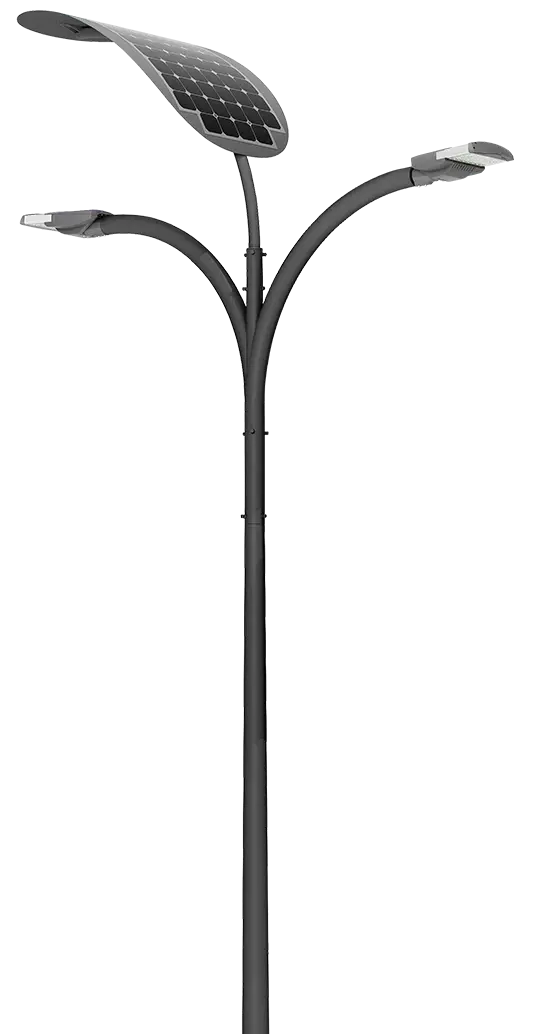
Solar-powered street lights capture sunlight through photovoltaic panels. That energy charges a battery during the day. At night, efficient LEDs illuminate roads or walkways. This system eliminates dependence on conventional power grids. It offers cost savings and flexible installation. It also supports power resilience in remote areas. Many governments see this technology as a major part of development plans. Clean power and reliable lighting improve safety for pedestrians and drivers.

Solar street lights reduce electricity costs for cities. No monthly grid electricity fees apply. Maintenance costs drop since these systems have fewer parts than older setups. Solar devices also lower carbon emissions. They operate on clean power. That approach helps reduce reliance on coal, natural gas, or oil. Cleaner urban air follows when large populations switch to renewables. This technology also lessens the load on public utilities. Peak electricity demand drops. That factor matters in areas with outdated grids or frequent outages.
Solar Lighting Policies Across the Globe
Many governments shape programs to support solar solutions. This includes tax incentives and grants that help cities install solar lamps. Policymakers recognize that LED-based lights use less power and last longer. Those factors lead them to include solar street lighting in infrastructure plans. Standards also evolve to support stricter efficiency requirements. Many local agencies require lighting solutions that meet certain power consumption thresholds. In some countries, LED adoption is mandatory for new developments. Officials also impose disposal rules to keep old mercury-based lamps out of landfills. These solar lighting policies across the globe shift the market. They also create more awareness of the synergy between LED efficiency and solar power.
Developing Nations Are Turning To Solar Street Lights
Many regions are rapidly adopting solar lighting. Countries with limited access to the power grid find solar solutions appealing. Rural areas face challenges when connecting to large-scale power networks. Solar fixtures supply stable illumination without huge infrastructure costs. Installation teams skip trenching or cabling and rely on standalone systems.

Public health also benefits. Dark roads lead to accidents and security issues. Safe lighting fosters better local environments. Governments see that result and invest more in these projects. Technicians coordinate with community leaders to set up arrays, batteries, and LED fixtures. These choices show that developing nations are turning to solar street lights to address multiple needs. Energy independence often follows. Towns gain more control over maintenance, costs, and repairs.
Solar Power Street Light Price
Cost used to stand in the way of many projects. Large-scale solar street installations once carried high upfront expenses. Recent price drops in solar panels and batteries have changed that outlook. The average solar power street light price continues to fall because of innovation. Battery technology has improved. Panel production ramps up year after year, and the fluorescent ban is pushing the world toward solar street lighting more and more. Supply chains also evolve to keep manufacturing more efficient. This creates price points that attract governments, commercial enterprises, and public institutions.
Engineers found ways to boost panel efficiency. The ratio of energy captured to cost spent continues to improve. Batteries store that captured energy for night use. Better chemistry extends battery life and lowers replacement costs. High-efficiency LEDs give bright light without draining the battery. Installers can get systems at affordable prices. That shift helps many communities take the first step in upgrading public lighting. Municipalities also watch long-term savings. Once installed, solar streetlights mostly rely on free energy from the sun.
Residential Solar Lights
Urban planners and homeowners often explore smaller-scale solutions for neighborhoods. Residential solar street lights give local streets, driveways, and yards a dependable glow. People want a system that operates independently. Power outages do not affect solar streetlights. This improves safety and lowers monthly bills. Homeowners avoid complex wiring and trenching. Units often come with simple installations that only need a sunny spot for the panel.
These systems suit suburban cul-de-sacs or small neighborhoods that want to reduce carbon footprints. Each unit self-charges. Upkeep involves basic battery checks and panel cleaning. Users monitor the battery’s state of charge through simple indicators. Some newer models include motion sensors. They conserve power and optimize lighting. Households appreciate that environmental benefits and utility savings can coincide. Many city planners also see the value in solar streetlights. They adopt them for nearby parks or pathways. This synergy expands local eco-friendly initiatives.
Businesses face different challenges when they choose outdoor lighting. Parking lots, campuses, and industrial complexes often need stronger illumination. Commercial solar street lights meet those demands. They include robust construction, higher-capacity batteries, and better weather resistance. Companies appreciate the independence from traditional power grids. Many regions experience rising electricity rates. Solar lighting solutions offer stable power at predictable costs. That approach protects budgets.
Economic Benefits of Renewable Energy
Shifting to renewables offers powerful financial rewards. Many governments see the economic benefits of renewable energy on a national scale. Reduced fuel imports save billions. Countries use local resources like sunlight, wind, or hydropower. That cuts shipping and supply chain risks. Job creation also flourishes in green tech fields. Factories produce solar panels, LED components, and batteries. Skilled workers handle design, installation, and maintenance.
LED adoption shows a pathway for future green changes. Many industry watchers see parallels for other sectors seeking sustainable upgrades. Innovations in LED design have reduced energy consumption and improved light quality. Similar trends unfold for solar-powered systems. The global market features products that integrate the Internet of Things (IoT). Smart lighting controls adjust brightness based on real-time conditions. Timers, motion sensors, and data analytics guide better resource management.
Challenges and Solutions
Some existing buildings still rely heavily on fluorescent fixtures. Disposal remains a hurdle. These lamps must be recycled, or mercury contaminates landfills. Organizations face costs and logistical issues in collecting used bulbs. Specialized exceptions exist for certain hospital or scientific uses. Those exceptions remain narrow. Many wonder how to handle older tubes in remote regions without recycling facilities. Education is vital. Consumers must know how to handle, transport, and recycle old bulbs. Outreach efforts stress the significance of safe disposal.
Solutions
Consumers see that public awareness campaigns help. They learn to discard old fluorescents at special collection points. They adopt LED lights or solar fixtures to reduce mercury use. Product labeling helps users identify energy-efficient devices. Government incentives make new technology affordable. Companies offer discounts when they replace old lamps. These price cuts accelerate adoption. For solar street lights, better training and robust designs handle harsh environments. Battery and panel improvements address intermittent sunlight or dust. Clear policies assist in standardizing system requirements. That leads to consistent performance. Municipalities invest in pilot projects, measure results, and expand successful models.
Fluorescent Ban is Pushing the World Toward Solar Street Lighting
Many stakeholders agree that the phase-out of mercury-based bulbs points to cleaner, more efficient lighting. LEDs have proven their value, with economic and environmental results that exceed older methods. Newer lamps save energy, reduce hazards, and cut monthly expenses. The shift also signals a bold move toward solar power. Street lights powered by the sun improve safety and cut dependence on fossil fuels. The fluorescent ban is pushing the world toward solar street lighting and complementing efforts to eliminate mercury and slash energy bills. The future looks bright for cities, businesses, and households that adopt renewable solutions. Lawmakers drive the change through policies, incentives, and public education. Developers answer the call with more efficient designs. So, get on the ride and enjoy the benefits of solar energy!
Applications
Recent Posts

March 8, 2025
The environmental impact of going solar…
February 28, 2025
Solar Energy in Schools in California
February 25, 2025
How companies can utilize solar electricity…
February 19, 2025
2025 Solar Power Goals: Trends to…