The Role of Solar Streetlights in California’s Water Conservation Efforts

Table of Contents 
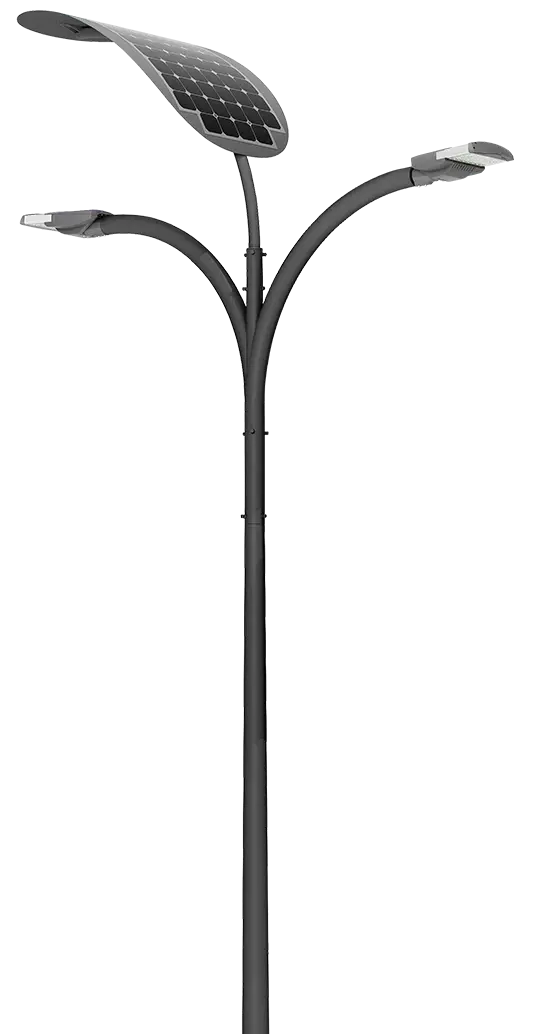
California faces ongoing challenges in conserving water, especially with its growing population and frequent droughts. Renewable energy sources, like solar power, play a surprising role in water conservation. Solar streetlights, specifically, contribute by reducing reliance on traditional energy sources, which often use large amounts of water for cooling and electricity generation. Unlike conventional streetlights, solar powered solutions generate their energy from the sun, cutting down on the water used in energy production. Solar streetlights in California’s water conservation efforts support the state’s conservation goals and bring additional environmental benefits, like lowering greenhouse gas emissions and energy costs. This shift not only reduces water demand but also reflects California’s commitment to sustainable, eco-friendly urban development.

Understanding the Link Between Energy Production and Water Use
Energy production and water use are closely linked, especially with traditional energy sources. When electricity relies on fossil fuels or nuclear power, it often requires a lot of water for cooling and processing. Solar streetlights help reduce this water demand by offering an alternative that doesn’t depend on water-intensive processes. Here’s a closer look at how energy production impacts water and why solar lighting is an effective solution.
Traditional Energy’s Water Demand
Conventional power plants often need large amounts of water to cool machinery and control temperatures. This cooling process consumes billions of gallons each year, which affects water resources and availability in drought-prone areas like California. In fact, fossil fuel and nuclear plants contribute heavily to this demand, impacting both local ecosystems and human water supplies.
How Solar Streetlights Lower Water Use
Since solar streetlights operate off-grid and rely only on sunlight, they don’t contribute to the water use associated with power plants. Each solar streetlight installation removes the need for cooling and processing water, reducing the strain on California’s already limited water sources. By switching to solar streetlights, communities help conserve water, supporting broader sustainability goals across the state.
Solar Lighting’s Impact on Urban Water Conservation
Urban areas with solar streetlights benefit by lowering overall demand on the power grid. As more neighborhoods shift to solar-powered options, they indirectly reduce water use across the entire energy sector. This change is especially useful in California’s cities, where demand for power and water are both high. Solar lighting provides an efficient way to reduce water and energy use at the same time, meeting California’s conservation needs effectively.

How Solar Streetlights Help Conserve Water
Solar streetlights play a direct role in water conservation by operating independently from the traditional power grid. This reduces the water needed in energy production and helps California address its ongoing water challenges. Solar streetlights in California’s water conservation efforts specifically help cut down water usage. Traditional electricity generation relies heavily on water for cooling and maintaining equipment in fossil fuel and nuclear power plants. When streetlights run on solar power, they no longer depend on these water-intensive processes. Each solar streetlight means less demand on power plants and a decrease in water consumption, especially in large urban areas with high energy needs.
Since solar streetlights work independently from the power grid, they provide lighting without any need for centralized energy production, which uses water. This feature benefits rural areas and water-stressed regions in California, allowing them to access sustainable lighting without placing more strain on local water resources. Solar streetlights also function during power outages, adding reliability while reducing water use.
Each solar poles lowers the overall load on California’s power grid. As more areas adopt solar lighting, the need for large-scale power generation decreases, which, in turn, reduces the water used to cool power plants. This can lead to significant water savings across the state, particularly during peak energy demand periods when power plants operate at full capacity. By switching to solar streetlights, California communities can support water conservation in ways that benefit both local resources and the environment. Solar lighting reduces the need for water-intensive power, making it an effective and sustainable solution for a state that faces regular droughts and high energy demands.

Case Studies: Solar Lighting in California’s Water-Stressed Regions
Solar lighting projects across California show how solar streetlights help conserve water in areas facing ongoing droughts. Several regions have adopted solar streetlights to address energy and water challenges while supporting local conservation efforts. Here are some examples of how these installations make a difference.
- Solar Streetlights in the Central Valley: California’s Central Valley, known for its agriculture, faces frequent water shortages. Many communities here have installed solar streetlights to reduce their dependence on grid power. By doing so, they lower demand on water-intensive power plants, which helps conserve water for agricultural and residential use.
- Desert Communities in Southern California: Desert regions, such as those near Palm Springs, have also seen the benefits of solar streetlights. With limited water resources, these communities rely on solar lighting to cut down on energy needs without increasing water demand. The adoption of solar streetlights has helped reduce strain on local water supplies while providing consistent lighting for public spaces.
- Urban Installations in Los Angeles: Los Angeles faces both high energy demand and water scarcity, making it a prime location for solar streetlight adoption. In neighborhoods across the city, solar streetlights have been installed to provide reliable lighting without increasing strain on the grid. By using solar, the city lowers its need for energy from power plants that consume water for cooling.
Each of these case studies shows how solar streetlights can support water conservation in California’s water-stressed regions. These projects help local governments and communities reduce water usage, save on energy costs, and maintain reliable lighting, all while addressing the state’s need for sustainable solutions. Through solar lighting, California demonstrates how renewable energy can make a positive impact on both water and energy resources, offering a practical example for other areas facing similar challenges.
Broader Environmental Benefits of Solar Streetlights
Beyond conserving water, solar streetlights offer multiple environmental benefits. From reducing carbon emissions to protecting wildlife, these lights provide eco-friendly advantages that support California’s sustainability goals. Here’s a look at how solar streetlights positively impact the environment.
Reducing Greenhouse Gas Emissions
Since solar streetlights don’t rely on fossil fuels, they help cut down on greenhouse gas emissions. Traditional streetlights consume energy from power plants that burn fossil fuels, releasing carbon dioxide and other pollutants. Solar streetlights eliminate this need, helping California lower its carbon footprint. Each solar installation contributes to cleaner air and a more sustainable environment.
Minimizing Light Pollution
Solar streetlights are often designed with focused LED technology, which directs light downward. This reduces light pollution, preserving darker skies for both people and wildlife. In urban areas, high light pollution can disrupt ecosystems by confusing animals’ natural behaviors. Solar streetlights help minimize this impact, allowing for responsible lighting that balances human needs with environmental considerations.
Protecting Local Ecosystems
Traditional energy production affects local ecosystems through water use, emissions, and habitat disruption. Solar streetlights, on the other hand, rely on renewable energy that doesn’t disturb surrounding habitats. By reducing dependence on water and fossil fuels, these lights help protect ecosystems near water sources and power plants. In sensitive areas, like California’s forests and coastlines, solar streetlights provide a sustainable option that reduces the strain on natural habitats.
Lowering Energy Costs and Conserving Resources
Solar streetlights save communities on energy costs, allowing local governments to allocate resources toward other environmental efforts. These savings make solar streetlights an economical choice while supporting long-term sustainability. By reducing the demand on the power grid, solar lights help conserve resources and protect California’s environment.

Community Engagement and Education
Community involvement plays a key role in the success of solar streetlight projects. When people understand the benefits of these systems, they are more likely to support and advocate for their installation. Educating the public about solar streetlights can lead to stronger water conservation efforts. Here’s how communities can engage and educate their members.
Importance of Community Involvement
Engaging the community in solar streetlight projects builds awareness and encourages participation. When people feel connected to a project, they are more invested in its success. Here are a few reasons why community involvement matters:
- Increased Support: When local residents understand how solar streetlights conserve water and save energy, they are more likely to support initiatives.
- Shared Responsibility: Community involvement fosters a sense of responsibility. Residents feel they are part of the solution, not just observers.
- Local Knowledge: Community members can provide valuable insights about their area. This local knowledge can help tailor projects to meet specific needs.
The journey toward adopting solar streetlights should involve everyone. When communities come together to educate and engage each other, they build a strong foundation for successful projects. This collaborative spirit not only enhances water conservation efforts but also fosters a sense of community pride. As you participate in or learn about solar streetlight projects, remember that your voice matters. By getting involved and sharing knowledge, you can help create a sustainable future for your community. Together, you can make a significant impact on water conservation and environmental health.

Challenges and Future Trends
While solar streetlights offer significant benefits, some challenges affect their broader adoption in California. Understanding these obstacles and the future trends in solar lighting can help communities plan better and maximize the advantages of solar technology.
Initial Installation Costs
One of the main challenges with solar streetlights is the initial cost. While these lights save money over time, the upfront expense can be high for local governments and organizations. Although costs for solar panels and batteries are decreasing, installing and maintaining solar infrastructure can still be expensive. Some cities rely on grants or partnerships to fund these projects, but finding consistent financial support remains a hurdle for widespread adoption.
Battery Maintenance and Replacement
Solar streetlights depend on batteries to store energy, allowing them to function at night. However, batteries have limited lifespans and need regular maintenance and replacement. Extreme weather conditions, such as high heat, can shorten battery life, leading to additional costs. Ensuring that batteries are regularly serviced and replaced when necessary is crucial for reliable solar lighting. This challenge may be addressed as battery technology improves, with newer, longer-lasting options becoming available.
Limited Performance in Low Sunlight Areas
Some regions in California may not receive consistent sunlight due to seasonal weather or location-specific factors, which affects the efficiency of solar streetlights. In areas with frequent fog or limited sun exposure, these lights may not produce enough energy to last through the night. To solve this, some areas install hybrid streetlights that use solar and grid power to maintain consistent lighting. This approach is particularly useful for park solar street lights, which often need reliable illumination for safety. Ongoing research aims to improve solar panel efficiency, which could make solar streetlights viable even in areas with lower sunlight.
Future Trends: Smart Solar Streetlights
The future of solar streetlights includes integrating “smart” technology. Smart solar streetlights can adjust brightness based on activity, monitor performance remotely, and detect maintenance needs. They can also support solar powered video surveillance, enhancing security in public spaces. These features increase efficiency and reduce maintenance costs by detecting issues early. Many California cities are interested in this technology, as it offers a more sustainable approach to public lighting. As smart solar technology becomes more affordable, cities may adopt it to boost the benefits of solar streetlights.
Growth in Community and Government Support
Community awareness and government support play a big role in the future of solar lighting. As more people understand the environmental and cost-saving benefits, support for solar streetlights continues to grow. California’s state initiatives promoting clean energy help fund solar projects, making solar streetlights more accessible. These programs may expand in the future, encouraging more communities to invest in solar lighting.

Harnessing Solar Streetlights in California’s Water Conservation Efforts: A Sustainable Solution for Urban Development
Solar streetlights play a valuable role in California’s water conservation efforts and offer several environmental benefits. By reducing reliance on water-dependent energy sources, solar lighting helps conserve water while lowering greenhouse gas emissions and minimizing light pollution. The role of solar streetlights in California’s water conservation efforts is significant, as they help reduce overall water usage. Despite challenges like installation costs and battery maintenance, advancements in solar technology and growing support for clean energy solutions are making solar streetlights, including residential solar street lights, more accessible across the state. These lights provide a sustainable option for communities aiming to protect resources and reduce environmental impact. As California continues its journey toward sustainability, solar streetlights will likely become a key component in addressing both energy and water conservation needs.
Applications
Recent Posts

March 8, 2025
The environmental impact of going solar…
February 28, 2025
Solar Energy in Schools in California
February 25, 2025
How companies can utilize solar electricity…
February 19, 2025
2025 Solar Power Goals: Trends to…