The Cost of Solar in 2025: What Should You Know

Table of Contents 
The cost of solar in 2025 continues to shape conversations among businesses and local authorities across many regions. Smart solar led lights stand at the center of these discussions, offering bright illumination without large energy bills. Many organizations want lighting solutions that reduce electricity expenses and maintenance work in both public and private areas. Standard talks often focus on rooftop panels for homes, but streetlights also deserve attention when evaluating costs. Policymakers and facility managers see solar lighting as a path toward long-term energy independence and budget-friendly operations. Future projections suggest more widespread adoption of solar lighting, due to falling technology prices and proven reliability outdoors.
Upfront Costs of Solar Streetlights
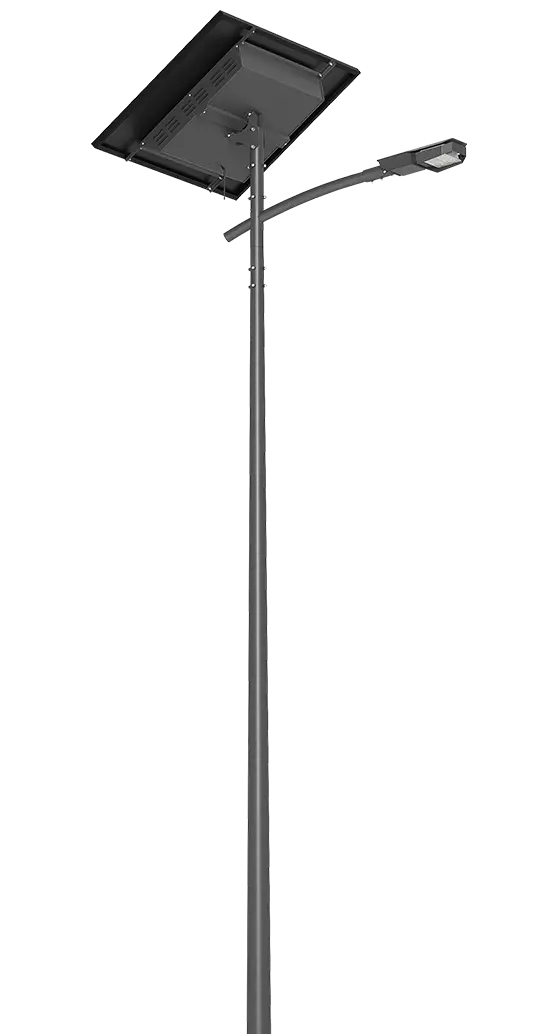
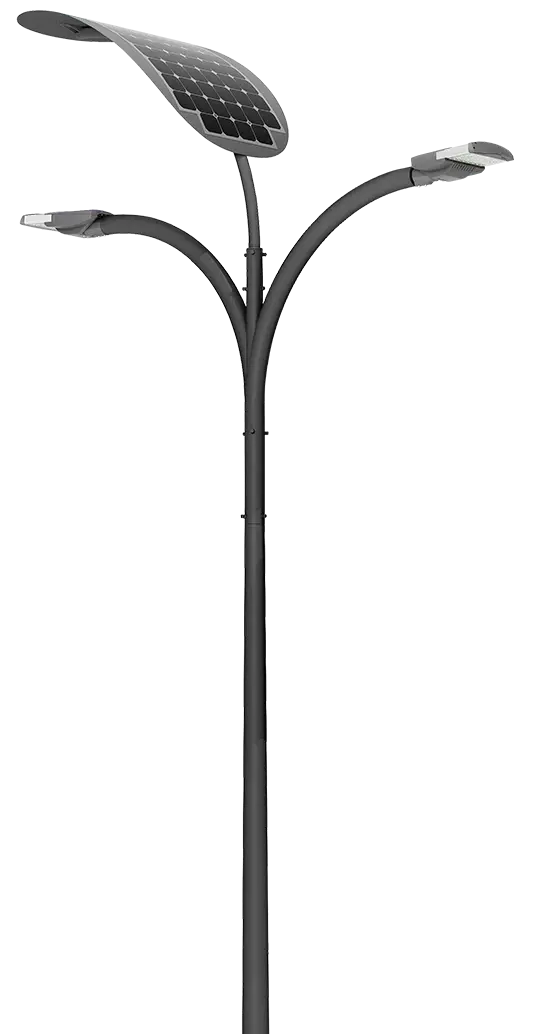
Solar power street light price involve several components, including panels, poles, batteries, charge controllers, and LED modules. Poles made of steel or other metals can be a significant portion of the overall project expenditure. Panels are another large expense, although recent years have seen lower per-watt costs due to manufacturing improvements. Batteries are necessary for nighttime lighting, storing daytime energy so lamps keep glowing when the sun is absent. Some setups use lithium-ion packs, while others rely on lead-acid options that come with different performance profiles.

LED fixtures are popular for their energy efficiency, bright output, and relatively low replacement costs across many applications. Installation labor also affects initial spending, especially if contractors need specialized equipment for pole mounting and wiring connections. Municipal projects often require taller poles, thicker materials, and stronger anchors to handle heavy wind loads near roads. Private businesses might seek more modest designs for parking areas or pedestrian paths, resulting in lower overall expenditures.
Traditional lighting demands costly trenching, cables, and connections to the electric grid, which can inflate total project budgets. Solar systems skip much of that infrastructure cost because each pole carries its own power generation and storage. Site conditions can influence final numbers, since shade, terrain, and climate patterns affect panel placement and required battery capacity. Many local authorities weigh the higher upfront costs against the possibility of zero monthly electricity fees over time. That comparison often shows solar streetlights reaching cost parity with grid-based systems, especially with decreasing panel expenses. Financing choices also affect immediate expenditures, since leasing or service agreements can shift costs over monthly installments.
Operational and Maintenance Savings
Municipal solar street lights promise significant reductions in operational expenses by cutting ties with monthly grid-based energy bills. Once installed, these systems rely on sunlight, which costs nothing and remains accessible in many geographic regions. Maintenance tasks often involve cleaning panels, inspecting batteries, and checking LED fixtures for any damage or performance issues. Traditional solar powered park lights typically draw electricity from the grid, leading to ongoing bills and potential vulnerabilities during power outages. Solar-powered options bypass those concerns since each light generates and stores its own energy on-site throughout daylight hours.
Bulb replacements also come less frequently because LEDs can endure thousands of hours before reaching their recommended lifespan limit. Maintenance crews spend less time diagnosing cable faults or repairing underground lines, which significantly lowers labor costs over time. Municipalities often appreciate the independence these lights provide, since power failures in the grid won’t extinguish key routes. These advantages can translate into fewer operational surprises, making budgeting and forecasting simpler for city planners and business owners.

Some technicians perform scheduled checks once or twice a year, confirming that panels and batteries remain in good condition. This level of maintenance proves simpler than dealing with continuous electricity bills, multiple wires, and frequent bulb replacements. Municipal solar street lights often require battery checkups, but modern battery technology improves reliability and extends operational life. LEDs maintain brightness for extended periods, which helps municipalities or private entities reduce frequent fixture change-outs.
Operators sometimes install remote monitoring systems for immediate alerts about performance issues or battery health, further lowering expenses. These monitoring tools can show energy production data, consumption levels, and panel status through user-friendly software dashboards. Reduced power bills and lowered maintenance tasks make solar lighting attractive for entities with ongoing public or private lighting demands.
Government Incentives and Financing Options
Government incentives play a major role in lowering entry costs for solar streetlight projects, especially at the municipal level. Grants sometimes fund a portion of the installation, reducing the financial burden for cities or private companies with tight budgets.
Local programs in 2025 could extend tax credits for every kilowatt of solar capacity deployed in street lighting infrastructure. Some states provide low-interest loans specifically for green improvements, allowing borrowers to pay back capital over extended periods. Leasing models let companies or agencies install new systems without fully covering the upfront equipment expense. Incentive packages differ widely based on location, so potential buyers often consult local authorities or specialized consultants first.

Energy Star-rated components
These programs can include rebates for purchasing Energy Star-rated components or other gear that meets official efficiency benchmarks. Stakeholders can explore several incentive approaches in 2025, including the following opportunities for solar streetlighting projects:
- State-level tax credits that reduce overall liability.
- Federal grants supporting energy-efficient technology upgrades.
- Utility-based rebates for offsetting solar equipment costs.
- Specialized loans with interest rates below standard market offerings.
Such incentives allow many cities to accelerate solar adoption, fueling local economic growth through more efficient public lighting infrastructure. Organizations often find these options beneficial because they can shift major project expenses onto funding programs or external investors. Reduced upfront spending frees capital for other needs, such as improving roads, parks, or important government services. Solar streetlight financing remains flexible because many providers adapt packages to match unique municipal or commercial requirements. Such adaptability gives small towns and large cities alike the chance to adopt solar lighting with minimal financial obstacles. National policies often steer more funding toward renewable projects, further widening the possibilities for creative financing structures. Forward-looking incentives, along with flexible payment approaches, make solar streetlights an attractive path for cost-conscious organizations in 2025 and beyond.
Long-Term Financial Benefits
Smart solar led lights often outperform traditional systems over decades, thanks to durable materials and self-sustaining energy methods. LEDs can keep shining for more than 20 years under typical use, slashing fixture replacement costs significantly over time. Batteries may require swapping every five to ten years, depending on their chemistry and discharge cycles. Panels usually hold a 25-year performance warranty, retaining a high percentage of their rated output after that timeframe. Maintenance costs remain modest because these systems have few moving parts and mostly rely on sunlight for power generation.

Municipal and commercial organizations often track return on investment by comparing solar equipment costs against saved electricity expenses. Many find that the absence of monthly utility bills leads to quick payback periods, sometimes within five years. Smart solar LED lights also contribute to improved branding or public image since they showcase environmental responsibility to stakeholders. Property owners sometimes notice higher perceived property values, given the modern appearance and stable lighting setup provided. Studies link well-lit areas with better security, so businesses can potentially reduce insurance rates by installing solar systems.
Municipal planners see reduced accidents along roads and sidewalks, boosting public trust while safeguarding community resources. Such improvements often translate into financial gains, because fewer repairs and claims impact local budgets or private funds. Long lifespan components reduce resource use and disposal, which helps both the environment and the bottom line. Some streetlight designs let operators upgrade batteries or panels separately, preventing the need for complete system overhauls. This modular approach extends system life and stabilizes budgets because upgrades happen incrementally without massive lump-sum commitments.
Energy Policies in CA
Renewable energy policies in California set standards that can shape solar streetlight costs, especially across different use cases. Neighborhood applications often focus on lower-height poles, minimal battery storage, and moderate LED outputs for pathways or small roads. Costs remain manageable, with simpler installation and fewer required panels, leading to a practical entry point.
Municipalities with large-scale plans, such as highway lighting, might invest in higher-capacity systems and taller poles for optimum coverage. These bigger projects often carry a higher price tag, yet they also deliver broad safety improvements in busy areas. Installation labor can climb because more specialized equipment and trained crews might be needed for highway setups. Private businesses, such as corporations or industrial facilities, may select advanced solutions for parking lots and perimeter lighting. Costs there can vary depending on the number of fixtures, brightness levels, and desired battery backup duration. Some companies pay extra for motion-sensing capabilities or integrated security cameras within their solar lighting systems. Neighborhood-based projects tend to follow simpler standards, focusing on consistent light coverage for pedestrian safety and traffic flow. Highway setups call for advanced battery management, higher-lumen LEDs, and more robust poles to handle wind and weather variations. Private parking areas can vary widely in size, meaning costs can scale up or down based on total square footage.

Many municipalities combine small neighborhood projects and major highway lighting expansions into a single plan to secure bulk pricing. This combined approach can lower unit costs because suppliers can deliver larger orders of panels, poles, and batteries. Each use case presents unique installation needs, yet solar streetlights offer scalable solutions that fit different budgets and operational goals.
Challenges Impacting Costs in 2025
Solar-powered security systems and streetlights face certain hurdles in 2025, including supply chain issues for specialized components. Global demand for panels and batteries can strain production lines, leading to occasional delays or higher material prices.
Aluminum costs may rise if raw material markets fluctuate, affecting pole prices and other structural elements in solar streetlights. LED fixtures also rely on electronic components that might see price hikes when semiconductor shortages strike certain regions. Labor expenses vary regionally, with urban centers sometimes charging premium rates for skilled installation teams. Smaller towns may face limited local expertise, forcing them to recruit outside contractors who charge travel-related fees. Storage technology continues advancing, but the latest batteries might cost more initially than older alternatives with shorter life. Weather extremes, such as heavy snowfall or heat waves, can influence battery performance, requiring specialized designs or climate-specific solutions.

Supply chain disruptions sometimes cause longer lead times for key parts, extending project timelines beyond original estimates. Bulk ordering can mitigate some of these risks, because manufacturers often prioritize clients who request higher-volume shipments. Reliable suppliers also help maintain consistent pricing, reducing unexpected jumps in material or component costs. Many planners build flexibility into their timelines and budgets, allowing them to handle sudden supply or labor disruptions. Local organizations sometimes coordinate with broader cooperatives, pooling resources so everyone can secure better deals on parts.
Shortages in one region might force project managers to import components, adding shipping costs and possible import fees. Solar powered security systems occasionally share similar hardware with streetlights, intensifying competition for limited stocks of LED modules. Even so, strategic planning, supplier relationships, and flexible designs help organizations overcome these obstacles when building solar lighting networks.
The Cost of Solar in 2025
The cost of solar in 2025 depends on many factors, such as upfront expenses, operational savings, and policy-driven incentives. Solar streetlights frequently feature higher installation quotes than conventional units, yet they often repay themselves through lowered energy bills. Governments and private investors realize these benefits multiply over time, thanks to reduced maintenance and minimal electricity charges. Incentives, loans, and leasing programs let many organizations embrace solar lighting without paying the full equipment cost immediately. Smart solar LED lights present long operational lifespans, with sturdy batteries and LED fixtures that stand the test of time. This resiliency drives reliable illumination for highways, neighborhoods, and corporate campuses, offering better safety and potential insurance perks. Different use cases shape total pricing since a private lot demands different coverage levels compared to a municipal highway. Experts encourage direct inquiries to reputable vendors or consultants for accurate quotes, so each project receives a well-informed path forward!
Applications
Recent Posts

March 8, 2025
The environmental impact of going solar…
February 28, 2025
Solar Energy in Schools in California
February 25, 2025
How companies can utilize solar electricity…
February 19, 2025
2025 Solar Power Goals: Trends to…