The Role of Solar Street Lighting in Disaster Preparedness and Response

Table of Contents 
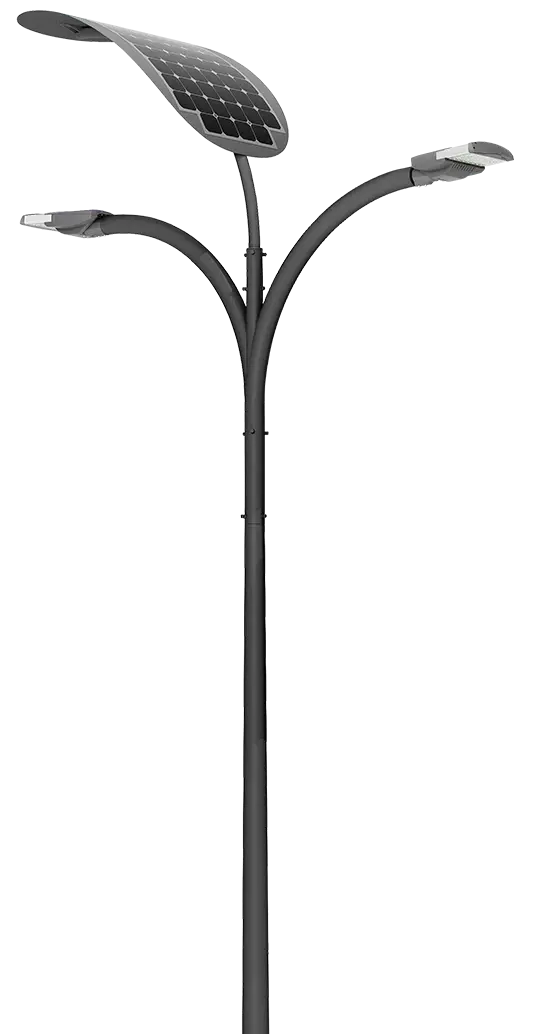
The role of solar street lighting in disaster preparedness and response is something everyone should know. It provides reliable lighting during emergencies. Solar street lamps work even when power grids fail. This enhances safety and security in affected areas. They help rescue teams navigate and operate efficiently. Solar street lighting is eco-friendly and cost-effective. It requires minimal maintenance and lasts a long time. In disaster-prone regions, they offer a dependable light source. They make sure communities are better prepared and can respond swiftly. Taking on this technology boosts resilience and recovery efforts. For more on this topic, explore the benefits of using a solar street lamp in disaster management.
The Role of Solar Street Lighting in Pre-Disaster Preparedness
Preparing for natural disasters is a must to reduce their impact and provide community safety. Strengthening infrastructure, like transportation, power, and water supply, helps systems recover quickly. Reliable lighting on evacuation routes throughout municipalities is important during emergencies. Municipal solar street lights provide consistent illumination even when the grid fails, giving you safe evacuations.
In off-grid areas, reliable energy sources are essential for maintaining services and supporting recovery efforts. Renewable energy, like solar power, offers dependable energy without relying on the grid, which is often compromised in disasters. This aids immediate response and long-term resilience in remote areas.

Programs like FEMA’s Building Resilient Infrastructure and Communities (BRIC) highlight proactive disaster mitigation. Investing in resilient infrastructure and renewable energy reduces disaster impact and speeds up recovery, ensuring community well-being.
The Role of Solar Street Lighting During Disaster Response
During disaster response, solar lighting offers immediate benefits, greatly enhancing rescue operations. Residential solar streetlights provide much-needed visibility for emergency teams. This allows quicker, safer navigation through affected areas. It’s important when traditional power fails after hurricanes or earthquakes. Solar lights are quick to deploy and work independently of the grid. This provides continuous nighttime illumination and helps reduce accidents among rescuers and evacuees.
Furthermore, solar lighting boosts safety for affected populations by lighting shelters, evacuation routes, and temporary housing. This reduces injuries and increases security for displaced individuals. Solar lights cut the need for traditional power sources like diesel generators, which are costly and harmful to the environment. Instead, solar energy is a clean, renewable, and cost-effective option. It’s essential for prolonged disaster recovery.
Deploying solar-powered solutions, like residential solar street lights, in disaster-prone areas strengthens resilience. It ensures communities are better prepared to maintain essential services and safety during and after disasters. Solar lighting helps save lives, protect property, and support recovery efforts.
Solar Street Lighting in Post-Disaster Recovery
Solar lighting helps rebuilding efforts by providing reliable light for construction sites and temporary shelters. This ensures that work can continue safely around the clock. It’s especially important in severely affected areas where power might take weeks or months to restore.

The benefits of solar lighting in post-disaster scenarios include:
- Sustained Lighting: Solar streetlights provide continuous light during power outages. This is good for nighttime safety and recovery operations.
- Facilitation of Rebuilding Efforts: Reliable lighting supports construction and repair work. Activities can proceed efficiently and safely, even without grid power.
- Community Support and Safety: Brightly lit areas enhance the safety and security of affected populations, reducing the risk of crime and accidents.
Other Helpful Solar Powered Solutions
Implementing other solar-powered solutions can be beneficial. Here are some examples:
- Smart solar powered bus stops
- Solar powered video surveillance
- Solar powered WiFi internet
The Benefits of a Solar Powered Bus Stop After Disasters
A smart bus stop equipped with solar lighting can serve as a community hub during recovery. These stops offer well-lit, safe gathering points for information and emergency services.
The Role of Solar Powered Video Surveillance During and After Disasters
Also, solar powered video surveillance can play a significant role during and after disasters in various ways.
During disasters, it offers continuous operation, providing real-time monitoring and data collection. It reduces the need for human intervention, allowing personnel to focus on other critical tasks. Solar powered lights with cameras also offer real-time alerts. Immediate alerts and live feeds can be sent to emergency response teams, aiding in faster decision-making and response.
After a disaster, solar powered video surveillance systems can help with damage assessment, enabling better resource allocation and planning for recovery efforts. They also provide surveillance to prevent looting and vandalism in affected areas, ensuring the safety of property and people.
They can be helpful in restoration monitoring, ensuring that projects are progressing as planned. Then, they can also keep track of environmental changes and hazards such as flooding, landslides, or structural weaknesses in buildings, preventing further damage and accidents.
The Role of Solar Powered WiFi Internet During and After Disasters
Solar powered WiFi internet can be crucial during and after disasters by providing reliable connectivity when traditional infrastructure is compromised. Here’s how it can help.
During Disasters:
- Communication: Ensures continuous communication for emergency responders, coordinating rescue and relief operations efficiently.
- Information Dissemination: Provides real-time updates and alerts to the public, helping to disseminate critical information such as evacuation routes, shelter locations, and safety instructions.
- Remote Access: Enables access to vital information and resources in remote or isolated areas where conventional power and internet infrastructure may be unavailable or damaged.
- Coordination: Facilitates the coordination between various disaster response teams, government agencies, and NGOs, improving overall response efforts.
After Disasters:
- Recovery Efforts: Supports ongoing recovery operations by allowing continuous communication and coordination between teams on the ground and command centers.
- Community Connectivity: Reconnects affected communities, helping people stay in touch with family and friends, and access essential services like healthcare, banking, and education.
- Data Collection: Aids in the collection of data for damage assessment, resource allocation, and planning for rebuilding efforts.
- Telemedicine: Enables remote medical consultations and support, which can be critical when local healthcare facilities are overwhelmed or damaged.
Practical applications of solar powered WiFi internet include:
- Emergency Hotspots: Setting up WiFi hotspots in shelters, command centers, and affected neighborhoods to provide internet access to those in need.
- Mobile Units: Deploying mobile units equipped with solar-powered WiFi to move to different locations as required.
- Public Information Kiosks: Establishing information kiosks with WiFi to help residents access necessary information and services.
Advantages of Solar Solutions Over Traditional Lighting
Solar lighting offers numerous advantages over traditional grid-powered lighting, particularly in post-disaster scenarios. These advantages include independence from the grid, quick deployment, and lower maintenance requirements, making solar solutions highly beneficial:
- Independence from Grid Power: Solar lights operate autonomously from the electrical grid, ensuring continuous illumination even during power outages. This reliability is crucial in disaster-hit areas where grid power may be unavailable for extended periods.
- Quick Deployment and Installation: Solar lighting systems are easier and faster to install than traditional lighting, as they do not require complex wiring or electrical connections. This makes them ideal for rapid deployment in emergencies, providing immediate lighting solutions without the need for extensive infrastructure.
- Lower Maintenance Requirements: Solar lights typically have fewer moving parts and use durable LED technology, resulting in lower maintenance needs. This reduces long-term operational costs and the need for frequent repairs and replacements, making them a cost-effective option for both short-term emergency use and long-term infrastructure planning.

Case Studies
Here are some examples of successful solar streetlight implementations:
- Puerto Rico: After Hurricane Maria, solar lights were crucial in providing emergency lighting for critical areas, including hospitals and public spaces, ensuring safety and security during the recovery phase.
- Nepal: Following the 2015 earthquake, solar lighting systems were deployed to illuminate streets and public areas, facilitating rescue operations and community recovery efforts.
Establishing solar lighting infrastructure before disasters strike can significantly enhance emergency response effectiveness. Also, involving local communities in the planning and implementation of solar projects ensures that the systems meet their specific needs and increases the likelihood of successful adoption and maintenance.
Challenges and Limitations
Solar lighting systems, though beneficial, face challenges. The initial costs for solar lighting are higher than those of traditional lighting. Expenses for solar panels, batteries, and LED fixtures can be a barrier for some communities. Financing options like government grants or partnerships can help offset these costs. Solar lights are also vulnerable to extreme weather, such as high winds and heavy rain.
Future Outlook
The future of solar lighting looks promising with technological advancements, policy support, and integration with other renewable energy solutions. Integrating solar lighting with other renewable energy solutions can create comprehensive and sustainable infrastructure solutions.
It is important to discuss the scalability possibilities of solar solutions as well as the technological advances.
Scalability of Solar Solutions
The potential for scaling up solar-powered solutions is vast, with numerous opportunities to extend their benefits beyond street lighting to other critical infrastructure and services.
In public transportation, solar energy can power bus stops, transit stations, and even electric vehicle charging stations, enhancing the sustainability of urban transit systems. By integrating solar panels into the roofs and facades of transportation hubs, cities can reduce their carbon footprint and ensure that these vital services remain operational during power outages.
Additionally, healthcare facilities, especially in remote or underserved areas, can greatly benefit from solar power. Reliable solar energy can ensure that hospitals and clinics maintain essential functions such as lighting, refrigeration for medications, and operation of medical equipment, even when traditional power sources are disrupted.
Schools are another area where scalable solar solutions can make a significant impact. Solar-powered lighting and energy systems can provide uninterrupted power for classrooms, ensuring that education continues seamlessly despite external power issues. This is particularly beneficial in rural or disaster-prone regions, where power stability is a common challenge.
Moreover, incorporating solar energy into educational facilities serves as a practical teaching tool, fostering awareness and understanding of renewable energy among students. As these systems become more widespread, the cumulative effect will be a substantial increase in resilience and sustainability across various sectors.
Innovation in Solar Technology
The future of solar technology is bright, with ongoing innovations promising to enhance efficiency and expand applications. One of the most exciting developments is the advent of flexible solar panels. Unlike traditional rigid panels, flexible panels can be molded to fit various surfaces, including curved and irregular shapes. This flexibility opens up new possibilities for integrating solar technology into everyday objects and unconventional structures, from wearable devices to building facades. These advancements can significantly increase the adoption of solar power in urban environments, where space and aesthetic considerations often limit the use of traditional panels.
Hybrid systems that combine solar power with other renewable energy sources, such as wind or hydroelectric power, represent another promising trend. These systems can provide a more consistent and reliable energy supply by compensating for the intermittent nature of solar power. For instance, during cloudy days or nighttime, wind turbines or small-scale hydroelectric generators can take over, ensuring a continuous flow of renewable energy. This integration of multiple renewable sources can create more resilient and self-sufficient energy networks, particularly useful in disaster-prone areas where power stability is crucial.
As technology continues to evolve, the efficiency and cost-effectiveness of solar power will improve, making it an increasingly viable option for a wide range of applications. With these advancements, solar energy will play a central role in building sustainable, resilient communities capable of withstanding and recovering from natural disasters and other challenges.
Street Lightning and Safety
The role of solar street lighting in disaster preparedness and response is that it provides reliable illumination during power outages, enhancing safety and security. Quick deployment and low maintenance make it ideal for emergencies. Strategic planning is essential to integrating these systems into disaster response plans. Solar lighting ensures continuous operation, supports recovery efforts, and protects communities. With technological advancements and policy support, solar street lighting will play an increasingly vital role. These solutions strengthen disaster resilience and provide a brighter, safer future for all.
Applications
Recent Posts

March 8, 2025
The environmental impact of going solar…
February 28, 2025
Solar Energy in Schools in California
February 25, 2025
How companies can utilize solar electricity…
February 19, 2025
2025 Solar Power Goals: Trends to…