Scalability of Solar Street Lights: What It Means and Why It Matters

Table of Contents 
Imagine a world where lighting grows alongside a community’s development. Street lights illuminate neighborhoods, expand with increasing populations, and serve urban spaces as well as remote villages. EnGoPlanet Solar Street Lights reflect this vision. Many cities want a simpler way to brighten roads without heavy infrastructure costs. This goal inspires a focus on the scalability of solar street lights. Growth is tied to effective solutions that increase capacity without straining budgets or requiring complex grid expansions. Solar street lighting addresses changing circumstances. It supports everyday safety, adapts to diverse conditions, and creates a flexible approach to outdoor illumination.
What Is Scalability in Solar Street Lighting?
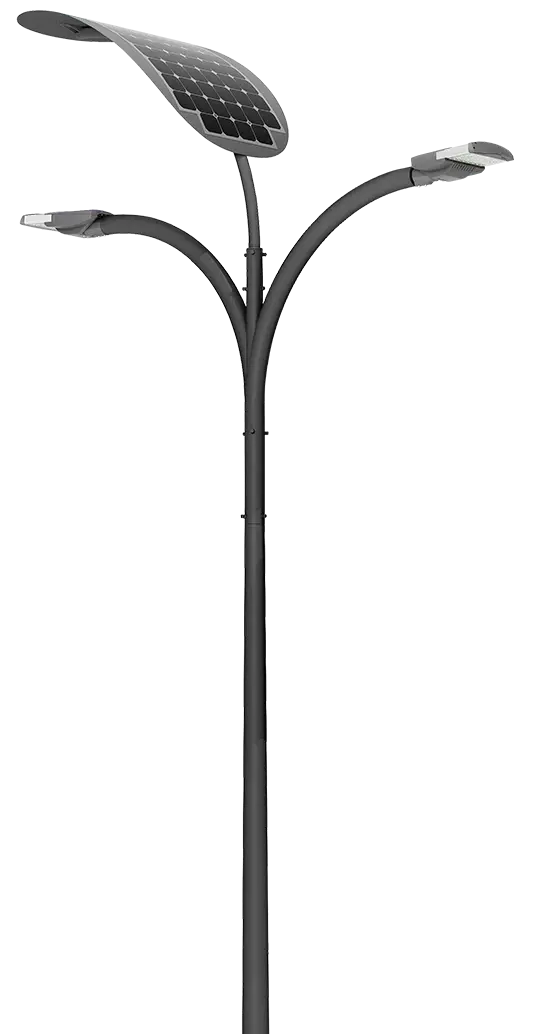
Scalability refers to systems that grow and function efficiently under heavier loads or in new areas. Traditional grid-based lights often need major electrical work. Solar-based systems skip that. Each street light includes solar panels, batteries, and LED fixtures. This means minimal dependence on external power sources. Solar power street light price can vary based on size and specifications. Modular designs lower expenses because parts are easy to assemble, and new units can be added in stages. Independent solar panels generate electricity, so each unit remains functional without additional grid connections.

Decentralized energy generation boosts reliability. A broader outage in one area does not knock out the entire network of solar fixtures. The ability to keep shining in different conditions makes solar lights helpful during emergencies. Populations grow, traffic increases, and new buildings go up. A scalable system meets those demands without big upfront costs. It adapts to local weather, population density, and cultural needs. Key attributes of scalable solar lighting include:
- Modular designs that rely on individual solar panels
- No heavy wiring or extensive power grid connections
- Flexibility in mounting options, such as poles, walls, or other structures
- Straightforward maintenance that lets local teams handle replacements
- Capacity to integrate features like motion sensors or IoT-based controls
Why Scalability Matters
Cities keep expanding, and street lighting must keep up. Residential solar street lights help with this goal. There is no need to run cables from distant power stations. With solar-powered units, each fixture stands on its own. Planners can introduce lighting in newly developed zones. Infrastructure budgets stay lean because no major digging or complicated electrical work exists. Urban planners can meet growth demands in stages. This helps them prioritize immediate areas first, and then expand as resources allow. That incremental process cuts installation time and helps manage project scope.
Rural regions face a different challenge. Expanding a traditional grid to remote areas can be expensive or unworkable. Harsh terrain and long distances present obstacles. Solar street lighting simplifies this problem. Each installation delivers illumination without overhead power lines. Costs drop, and local communities get a dependable solution. Farmers and small communities benefit from extended activity hours and improved safety at night. Electricity reliability no longer depends on large infrastructures that may be out of reach.
Applications of Scalable Solar Street Lights
Smart cities often seek advanced lighting features. Sensors and connectivity help monitor usage and save energy. Some projects link solar street lights with traffic management systems. Others use motion-activated dimming to lower consumption during quiet hours. Solar poles can be integrated with cell towers or Wi-Fi hotspots. This synergy reduces the need for separate structures. Local governments can scale up as the population grows. New development zones will need more street lights, and solar solutions are easy to deploy. Connectivity features blend well with the modular nature of solar lighting. Smaller areas can start with simple lights, and then upgrade.

Rural electrification projects highlight the adaptability of solar lighting. Where transmission lines are absent, solar lights stand on their own. Installation involves anchoring poles, attaching solar panels, and aligning LED fixtures. That process is faster than running high-voltage lines across rough terrain. Community gatherings, outdoor markets, and educational facilities gain extended hours of operation. Road safety improves in areas that once remained dark. Expansion can happen step by step. Local leadership can add more poles in central squares and spread outward as budgets permit. Customized designs handle different weather patterns. Some areas face heavy rainfall, while others are dry and sunny. A scalable system adapts to climate variations through panel angle adjustments, battery storage capacity, and light intensity controls.
Future Potential for Scalable Solar Lighting
Technological progress raises efficiency and durability. Batteries now last longer, store energy more effectively, and charge faster. Some solar systems leverage intelligent features to measure energy consumption in real-time. Predictive algorithms help each unit manage usage by anticipating higher or lower demand. Machine learning might guide brightness levels, battery health, and maintenance intervals. Smart fixtures can share data with control centers, which helps create stronger networks. This approach keeps systems reliable, fosters quick repairs, and supports cost management.
Policy support spurs faster adoption. The economic benefits of renewable energy are recognized by governments and investors. Funding programs encourage large-scale solar initiatives. Many developing regions see street lighting as a stepping stone toward broader electrification. Partnerships between public agencies and private firms help create stable networks. These agreements offer technical expertise, structured financing, and strategic guidance. That synergy draws in local entrepreneurs, fosters job creation, and boosts new infrastructure projects.

The global impact grows with every new solar installation. Communities realize that these lights cut carbon emissions and help reduce reliance on fossil fuels. They also improve safety at night. Travelers and residents feel more comfortable walking, working, or socializing after dark. Economic activity often rises as businesses stay open longer. That boost can reduce poverty and strengthen local economies. Scaling up solar lighting thus supports global sustainability efforts. Cleaner air, lower emissions, and better energy independence benefit everyone. Governments that promote renewable projects see progress in environmental targets. This trend fosters collaboration across borders. Regions can share data, best practices, and resources. A robust global network emerges, guided by shared enthusiasm for sustainable energy solutions.
The Scalability of Solar Street Lights
The scalability of solar street lights stands at the forefront of a changing approach to outdoor illumination. These systems fit a variety of budgets, environments, and growth patterns. They benefit urban centers dealing with swift population increases. They also benefit small towns needing a clean way to light roads and shared areas. Each solar fixture functions independently and handles local energy production. There is no massive reliance on sprawling power lines. Communities can add more lights at any time, confident that each unit will deliver reliable service. Municipal planners avoid delays, reduce power bills, and welcome a greener future. This model supports lasting sustainability goals. It also creates safer streets, fosters after-dark gatherings, and strengthens local economies. Modern solar solutions expand as needed, delivering a capable path that meets evolving demands everywhere.
Applications
Recent Posts

March 8, 2025
The environmental impact of going solar…
February 28, 2025
Solar Energy in Schools in California
February 25, 2025
How companies can utilize solar electricity…
February 19, 2025
2025 Solar Power Goals: Trends to…