How Solar-Powered Streetlights Are Reducing Urban Heat Island Effects in CA

Table of Contents 
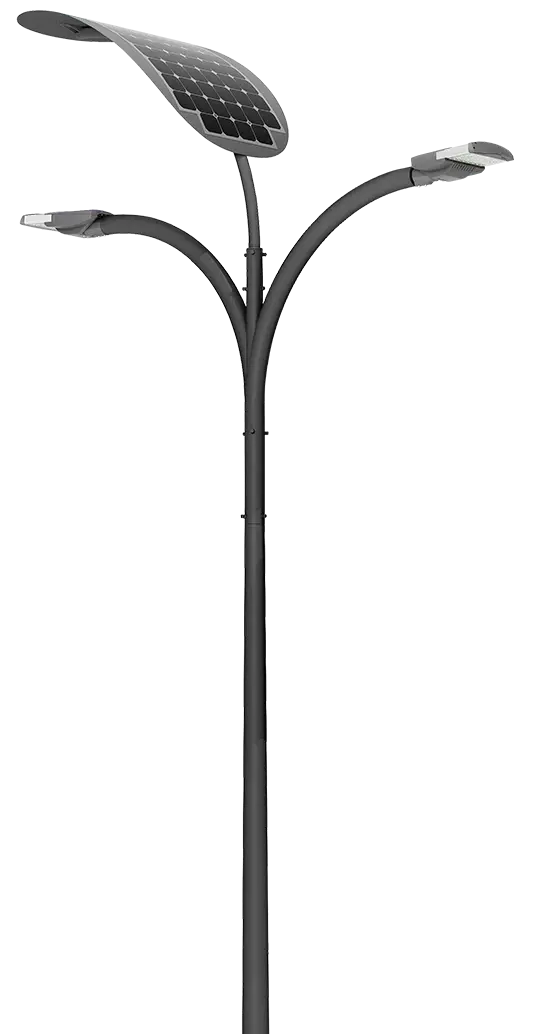
California’s urban heat island effect is a growing concern as it makes cities hotter than surrounding rural areas. This increase in temperature affects comfort and can lead to higher energy demands, especially during the summer. Solar-powered streetlights are a solar powered solution that many cities in California are adopting to help cool down urban areas. In fact, solar-powered streetlights are reducing urban heat island effects in CA. EnGoPlanet solar energy solutions provide effective solar-powered streetlights that operate on renewable energy, directly reducing heat output. Unlike traditional lights, which often rely on energy sources that contribute to heat, solar streetlights from EnGoPlanet help mitigate this issue. By incorporating solar-powered streetlights, California cities can take small but impactful steps toward making urban spaces cooler and more energy-efficient.
What causes the urban heat island effect?
The urban heat island effect occurs when cities become significantly warmer than their surrounding rural areas. This phenomenon happens for several reasons. First, urban areas have a lot of buildings, roads, and other surfaces that absorb and retain heat. Materials like asphalt and concrete absorb sunlight during the day and release heat at night. According to the U.S. Environmental Protection Agency, urban areas can be up to 5 to 7 degrees Fahrenheit warmer than nearby rural areas. Second, cities often lack vegetation. Trees and plants provide shade and release moisture through a process called transpiration. Without enough greenery, cities miss out on these cooling benefits. Studies show that increasing tree cover in urban areas can lower surface temperatures significantly.

Moreover, human activities contribute to the problem. Cars, factories, and power plants emit heat and greenhouse gases, increasing temperatures. Energy use also spikes during hot weather as people turn on air conditioning. This not only raises energy demand but also increases heat output in cities. Another factor is the design of cities. Tall buildings can create “canyon-like” structures that trap heat. These canyons limit air movement, making it hard for cool breezes to reach the streets. As a result, urban areas can feel stuffy and hotter, especially during summer months.
The consequences of the urban heat island effect
The urban heat island effect can lead to serious problems. It raises energy costs and worsens air quality, impacting health. It also increases heat-related illnesses, particularly among vulnerable populations. To combat this effect, cities need to implement cooling strategies, such as increasing green spaces and using reflective materials in construction. By taking these steps, we can make urban areas more comfortable and livable for everyone.

How solar-powered streetlights address urban heat
Solar-powered streetlights offer an effective way to reduce urban heat in California cities. By using renewable energy policies in CA, these lights cut down on the amount of heat generated by traditional lighting sources. Continue reading and find out how solar streetlights help address the urban heat issue in practical ways.
Reducing dependence on the power grid
Solar-powered streetlights rely on energy from the sun instead of drawing power from the grid. During peak hours, the power grid often experiences high demand, especially with increased air conditioning use. Solar streetlights reduce this demand, helping cities lower their overall energy use and cooling needs, which directly impacts urban heat levels.
Minimizing waste heat from lighting
Traditional streetlights generate waste heat, contributing to the heat trapped in urban areas. Solar-powered streetlights generate far less waste heat since they run on solar energy instead of electricity generated from fossil fuels. Less waste heat means cooler areas around the lights, which helps reduce the overall temperature of streets and sidewalks.
Independent operation and placement flexibility
Solar-powered streetlights work independently from the main power grid, allowing them to be placed in locations where power lines may not reach. This flexibility means cities can add lighting in areas that need it most without extensive infrastructure, which can increase urban heat. By spacing lights effectively and using cool lighting technology, these streetlights help keep urban temperatures manageable.
Switching to solar-powered streetlights lets cities address urban heat island effects while providing safer, more sustainable public lighting. Solar streetlights offer a practical and energy-efficient way to cool down California’s urban areas.
Environmental benefits of solar streetlights beyond cooling
Solar-powered streetlights are reducing urban heat island effects in CA and provide more than just a cooling effect for urban areas. They offer several environmental benefits that make them a smart choice for California cities, aiming to reduce their environmental impact. Here are some of the key benefits:
- Lowering greenhouse gas emissions: Traditional streetlights often use electricity from sources that release greenhouse gases, such as coal or natural gas. Solar streetlights, on the other hand, run on renewable energy from the sun, which produces no emissions. This switch reduces the city’s carbon footprint, helping California meet its clean energy goals and contributing to healthier air.
- Reducing air pollution: Burning fossil fuels for electricity contributes to air pollution, affecting air quality in densely populated urban areas. Since solar-powered streetlights don’t rely on fossil fuels, they help reduce harmful pollutants released into the air. Better air quality leads to fewer respiratory issues and improved public health for people in the city.
- Conserving natural resources: Producing traditional electricity requires vast amounts of natural resources, including water and fossil fuels. Solar energy, however, is abundant and renewable, requiring no fuel or water to generate electricity for streetlights. By using solar-powered lighting, cities help conserve these natural resources and support long-term sustainability.
- Promoting sustainable urban planning: Solar-powered streetlights support California’s commitment to sustainable urban development. Cities can incorporate these lights into eco-friendly public spaces, such as parks and walkways, showing their dedication to a cleaner environment. Using renewable energy sources like solar lights encourages other sustainable initiatives, helping cities lead by example.
Solar streetlights do more than just reduce urban heat; they play a significant role in creating a cleaner and healthier environment while simultaneously positioning California’s cities on a path toward long-term sustainability and resilience in the face of climate change.

Case studies: California cities using solar-powered streetlights
California cities are increasingly adopting solar-powered streetlights as part of their strategies to combat urban heat and reduce environmental impact. Here are a few examples of cities leading the way, showing how solar streetlights contribute to more sustainable, cooler urban spaces.
Los Angeles: A leader in solar lighting
Los Angeles is one of the most proactive cities in using solar-powered streetlights. The city has installed thousands of solar streetlights to reduce its energy consumption and lower emissions. These lights run on renewable energy, which reduces reliance on fossil fuels. This project has also saved the city money on electricity costs, allowing Los Angeles to invest more in sustainable projects.
San Diego: Reducing heat and energy use
San Diego is also embracing solar-powered street lighting in public spaces and high-traffic areas. By using solar streetlights, San Diego reduces urban heat buildup in busy zones, helping to cool down surrounding areas. These lights have significantly lowered the city’s power needs during peak hours, which helps improve air quality and reduces strain on the energy grid.
Sacramento: A commitment to clean energy
Sacramento has integrated solar-powered streetlights into its urban infrastructure to support its commitment to clean energy. The city uses solar lights in public parks and along major walkways, creating well-lit areas that don’t rely on grid power. These solar-powered streetlights have improved safety and made outdoor spaces more accessible at night while contributing to Sacramento’s sustainability goals.
Fresno: Cutting costs and supporting sustainability
Fresno has adopted solar streetlights to help cut energy costs and support its sustainability plan. The city installed solar lights in residential areas and near public facilities, where they provide dependable lighting without increasing energy bills. By using solar-powered streetlights, Fresno has reduced its energy expenses and made progress toward reducing its carbon footprint.

Addressing common challenges with solar streetlights
While solar-powered streetlights provide numerous benefits, they also face some challenges. Understanding these issues can help cities make informed decisions about adopting this technology. Here, we will explore the common challenges associated with solar streetlights and how communities can address them.
- Initial cost concerns: One of the main challenges of solar streetlights is their initial cost. Installing solar lighting systems can be expensive upfront compared to traditional streetlights. However, many cities overlook the long-term savings on electricity and maintenance.
- Energy storage issues: Another challenge involves energy storage. Solar streetlights rely on batteries to store energy generated during the day for use at night. In some cases, these batteries may not perform well in extreme weather conditions or low sunlight periods. To address this, cities can invest in high-quality batteries designed for various environments.
- Performance in overcast conditions: Solar streetlights may struggle to provide consistent lighting in overcast or rainy climates. Reduced sunlight can impact the amount of energy collected and stored. However, cities can choose solar streetlights with larger panels and more efficient batteries to maximize energy capture.
- Public perception and acceptance: Public perception can also be a challenge. Some residents may doubt the effectiveness or reliability of solar streetlights. To combat this skepticism, cities should educate the community about the benefits and functionality of these lights.
- Installation and location considerations: Proper installation and placement are critical for solar streetlights to perform effectively. Urban landscapes with tall buildings or dense vegetation can cast shadows on solar panels, reducing their efficiency. Before installation, conducting site assessments helps identify the best locations for solar lights.

Additional benefits beyond cooling: Why solar streetlights are a smart urban choice
Solar-powered streetlights offer many advantages beyond just reducing urban heat. As solar energy is growing in California, cities increasingly look for sustainable solutions. These lights present a smart urban choice. Let’s explore some of the key benefits that make solar streetlights appealing.
Cost savings for cities
One of the most significant benefits of solar-powered streetlights is their cost savings. Traditional streetlights consume a lot of electricity, leading to high energy bills for cities. In contrast, solar-powered streetlights are reducing urban heat island effects in CA by using energy from the sun, which is free. Over time, cities can save a considerable amount on electricity costs. Lower energy expenses mean that funds can be redirected to other important community services, like parks or public safety.
Low maintenance requirements
Solar streetlights also have lower maintenance needs than traditional options. These lights typically use LED bulbs, which last longer than conventional bulbs. Plus, solar panels have fewer moving parts and do not require frequent replacement. This means that maintenance teams spend less time and money repairing or replacing streetlights. Cities can allocate these resources to other projects, improving overall community services.
Increased energy resilience
Energy resilience is another key advantage of solar streetlights. Traditional streetlights depend on the power grid, which can fail during storms or outages. Solar streetlights work independently of the grid. They can continue to provide lighting even when the main power supply is disrupted. This feature enhances public safety, especially in emergencies when consistent lighting is crucial.
Enhanced public safety
Better lighting leads to improved public safety. Well-lit streets deter crime and make pedestrians feel safer. Solar poles provide reliable illumination without relying on traditional power sources. This consistent lighting encourages more people to walk or bike at night, promoting healthier lifestyles. When streets are safer, communities thrive.
Supporting green initiatives
Solar streetlights align with broader environmental goals. By choosing renewable energy, cities can reduce their carbon footprint. This commitment to sustainability attracts more eco-conscious residents and businesses. It shows a city’s dedication to creating a cleaner, greener future. Moreover, these lights can inspire other eco-friendly projects, such as solar powered speaker or charging stations for electric vehicles.

Discover how solar-powered streetlights are reducing urban heat island effect in CA
Solar-powered streetlights are proving to be a valuable tool in California’s efforts to combat urban heat and promote sustainability. Specifically, solar-powered streetlights are reducing urban heat island effects in CA by reducing energy reliance, lowering emissions, and cooling down city areas. These streetlights contribute to a healthier, more livable environment. While challenges like upfront costs and maintenance still exist, advancements in technology are making solar lighting increasingly practical and affordable for cities of all sizes. Cities in the state of California have already begun to see the benefits, with improved air quality and more comfortable urban spaces. As technology continues to evolve, solar-powered streetlights have the potential to become a staple in urban planning, supporting greener, cooler, and more energy-efficient cities across the state.
Applications
Recent Posts

March 8, 2025
The environmental impact of going solar…
February 28, 2025
Solar Energy in Schools in California
February 25, 2025
How companies can utilize solar electricity…
February 19, 2025
2025 Solar Power Goals: Trends to…