How Solar Energy Can Support Climate Goals in 2025

Table of Contents 
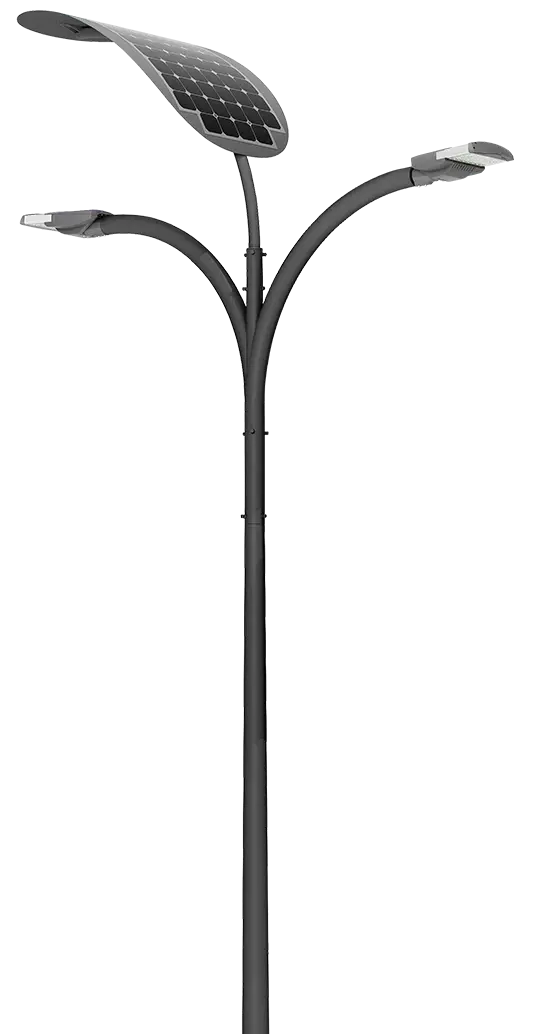
Experts highlight strict timelines for carbon reduction, which several global coalitions want to achieve before 2025. Governments plan fast measures, guided by research and financial support, to cut carbon emissions worldwide. The World Bank Group (WBG) encourages stronger actions to stabilize global temperatures and protect vulnerable communities. Many policy experts see renewable technology as an answer because it displaces polluting power plants. EnGoPlanet Solar Street Lights provides a model that confirms how solar energy can support climate goals. Decision-makers promote such solar solutions to lower electricity usage in public squares, highways, and municipal districts. Cities need cleaner alternatives because older lighting systems burn large volumes of fossil fuels. Research shows that carbon-heavy infrastructure accelerates climate change, leading to droughts, more destructive storms, and rising sea levels. Solar energy addresses these problems because it replaces grid-based electricity with free, abundant sunlight.
Key Areas Where Solar Energy Aligns with Climate Goals
Best outdoor commercial solar lights advance progress, because they slash emissions related to electricity demand. Traditional streetlights sometimes consume power generated through coal or gas-fired plants, creating unnecessary carbon pollution. Engineers confirm that solar-driven fixtures capture energy during the daytime and illuminate roads at night. These fixtures rely on solar panels, rechargeable batteries, and efficient LED bulbs. That arrangement lowers overall electricity use because it functions independently from standard grids. Policymakers emphasize direct greenhouse gas (GHG) reductions, which remain a priority for climate mitigation. Analysts forecast that large-scale solar adoption helps stabilize emissions growth while supporting community infrastructure.

Municipal budgets also benefit, because solar lighting requires limited maintenance and eliminates utility bills. International groups project that major cities can reduce tons of carbon dioxide by switching conventional streetlights to solar versions. Some cities see immediate energy savings of 40% or more, which further underscores the emission reduction potential. Researchers track these savings through before-and-after data collection, ensuring reliable calculations of net gains. Governments share their successes, motivating neighboring regions to consider similar clean energy transitions. Urban planners expect that such adoption will accelerate when costs drop because solar panel prices have fallen significantly. LED technology also improves, generating bright illumination that meets public safety requirements in roads, parks, and housing areas.
This alignment with climate goals happens because solar solutions reduce direct emissions that originate from conventional electricity production. Many local authorities encourage businesses to install commercial solar lights, reducing grid dependence in commercial zones. Emission levels shrink further when entire neighborhoods transition away from fossil-fueled electricity generation.
How Solar Lighting Supports Adaptation and Resilience
Residential solar street lights operate off-grid, protecting households and public spaces when blackouts occur. Floods, hurricanes, or heavy snowstorms can disrupt grid connections, causing widespread power loss at night. Communities benefit when solar lighting continues to function because darkness can increase safety risks. This resilience proves vital because climate scientists predict more extreme weather in certain regions. Batteries store daytime energy, powering lights even in areas without continuous sun exposure. Storm-prone coastal cities rely on these off-grid fixtures as part of broader disaster readiness programs.
Many authorities feature solar lighting in their plans because resilient systems reduce local vulnerability. Adaptation goals advance when communities stay active despite hazards, preventing chaos during critical response operations. Neighborhood volunteers appreciate reliable lighting that supports search, rescue, and communication efforts in emergencies. Mainstreaming solar lighting in development plans involves setting clear budgets, confirming technical standards, and hiring trained installation teams. Municipal authorities integrate these steps into their national strategies to meet climate commitments. Policies include specialized incentives or grants to finance solar streetlights, especially in areas with outdated infrastructure.

Maintenance staff learn to handle solar components, ensuring quick repairs if panels or batteries fail. Public spaces grow safer when residential solar street lights brighten roads and discourage crime, even when storms strike. Coordinated approaches work best, because they combine local knowledge, international funding, and strong commitment from relevant agencies. That synergy strengthens overall resilience, which helps communities remain stable through shifting climate patterns. People gain confidence when vital areas stay lit, allowing them to move about safely and maintain everyday routines.
Private Sector and Market Development in Solar Energy
US policies and the adoption of solar street lights spark market growth that includes companies focused on design, installation, and manufacturing. Public-private partnerships unlock new investment channels, boosting solar lighting in cities, suburbs, and rural districts. Research shows that the World Bank Group has leveraged $67 billion in clean energy, prompting further interest from private capital. Entrepreneurs see solar-powered solutions, such as intelligent poles, as revenue-generating opportunities that attract eager investors. These projects encourage healthy job creation in engineering, distribution, and maintenance, which benefits local economies.

Companies partner with city planners, aligning municipal priorities with profitable ventures that advance emission targets. Experts note that stable policy frameworks, such as long-term tax incentives, fuel faster adoption among commercial property developers. Industrial parks convert old lighting systems to solar, cutting operational costs and meeting green reporting requirements. Market competition fosters better equipment quality because manufacturers strive to differentiate products through durability or improved battery performance. Hardware suppliers innovate to reduce panel weight, optimize LED brightness, and streamline battery charging for consistent operation.
Expanding Global Cooperation and Financing Options
Electric utilities watch these projects because decentralized solar lighting lowers strain on power networks during peak usage. Some innovators combine services, adding warranties or flexible payment plans that reduce hurdles for smaller towns. Officials welcome international investors when local funds fall short, prompting shared progress in clean energy technologies. That collaboration energizes fresh research and global knowledge-sharing, guiding cities to refine operations and adopt advanced tools. Marketing efforts highlight reduced energy expenses for businesses, which often see swift returns on their solar purchases. Banks extend green loans at favorable rates, making solar installations more appealing for commercial sites seeking cost stability.

Companies gain confidence when transparent data shows reduced carbon emissions and improved budget control. Public leaders partner with utility providers to coordinate pilot projects that evaluate the long-term benefits of scalable solar systems. Private firms see investment potential because commercial districts spend less on conventional electricity. Engineers optimize battery storage, ensuring consistent lighting during rainy spells or scheduled grid shutdowns. Retailers benefit from well-lit parking areas, which encourage customer traffic and enhance public safety. Community groups organize workshops that teach residents how to maintain panels and handle minor repairs. Nonprofit organizations sometimes sponsor training, helping local teams master basic diagnostics and reduce downtime.
International Research
International research institutes also contribute, to testing new materials that improve panel efficiency under various environmental conditions. Policymakers promote these advancements through subsidies because solar projects help reduce greenhouse gas emissions across entire regions. Manufacturers create competitive pricing structures that simplify contracts, helping governments approve large-scale orders faster. Technicians use standardized parts, which speed up repairs and replace complex components with simpler, user-friendly designs. Investors appreciate these streamlined processes because reduced risk boosts confidence and encourages further resource allocation. The momentum behind solar lighting continues to grow, delivering economic gains, cleaner communities, and stronger energy security for everyone involved.
Supporting Key Climate Goals with Solar Energy
Several international reports call for 36 gigawatts of renewable capacity, aiming for distribution across multiple sectors. Solar streetlighting supports this goal because decentralized solutions reduce the strain on traditional plants. Municipal officials see that each array of solar-powered streetlights adds incremental renewable capacity, supporting broader energy targets. These streetlights also improve roadway visibility and safety in large city centers or remote rural lanes. Land use planning factors into such projects, because space for panels remains smaller compared to other infrastructure.

Forests remain better preserved because solar streetlights require minimal excavation or large transmission lines. Environmental specialists value these systems because they lower disruptions to natural habitats and minimize negative impacts. Community forums highlight public transit improvements that rely on illuminated bus stops, train stations, and pedestrian bridges.
Officials believe that solar lighting fosters convenience and security, encouraging people to use transit more often. Carbon footprints shrink when personal vehicle use drops, enhancing synergy with national emission-reduction commitments. Municipal engineers design integrated approaches that combine solar streetlights with electric vehicle charging stations and low-carbon buses. Research shows that local pollution diminishes when communities prioritize transit options that cut private car journeys. Some local governments experiment with sensor-based systems that dim lights during off-peak hours, saving more energy. That approach ensures adequate lighting while maximizing power reserves, especially during winter when daylight hours are shorter. Road safety organizations praise the consistent lighting, which helps reduce accidents caused by low visibility at night. Decision-makers track the contribution of solar lighting, linking it to key climate milestones established under WBG guidance.
Challenges and Opportunities for 2025
Differences between renewable and nonrenewable energy spark debates over funding, technology access, and policy choices. Many municipalities lack sufficient money, which delays solar expansion in places that need sustainable solutions. Experts report that extended rain or cloudy periods require stronger battery systems to maintain daily energy availability. Technicians need guidance on managing solar panel cleaning and battery care, especially in remote regions. Some communities deal with theft and vandalism, so authorities invest in protective measures.
Agencies compete for limited budgets, balancing water projects, roads, and school upgrades. These hurdles motivate specialists to design new strategies that address technical, financial, and social needs. Bigger opportunities emerge when governments launch small-scale trials in underserved areas, proving the value of solar street lighting.

Cities that purchase lights in large volumes often unlock lower prices, which helps them expand green infrastructure. Nonprofits and neighborhood groups close knowledge gaps, offering training on battery management, panel safety, and basic troubleshooting. Donors and crowdsourcing platforms bolster funding efforts, engaging residents and distant supporters. Some agencies integrate solar lighting with other public improvements, maximizing each funding cycle while delivering multiple benefits.
Real-time Usage
Planners who track real-time usage can show accurate return-on-investment figures, building trust among investors. Statewide or regional cooperation establishes consistent standards, making maintenance easier for field crews. Here is a list of all the challenges and opportunities:
- Large-volume orders lower per-unit costs and stretch municipal budgets
- Targeted training ensures proper panel upkeep and battery replacement
- Private donors and online campaigns fill resource gaps for local projects
- Cross-agency cooperation leads to uniform guidelines and easier maintenance
- Flexible financing models support growth in communities with tight budgets
Reliability attracts widespread interest because cost savings and steady lighting prove valuable in emergencies. Lending programs also evolve, offering flexible payment options that suit districts with lower incomes.
Solar Energy Can Support Climate Goals
Solar energy stands as a proven method to advance renewable power and solar energy can support climate goals effectively. Communities benefit from cleaner air and reduced emissions, thanks to solar solutions. With strategic policies, city leaders can cut pollution, save funds, and safeguard ecosystems. Implementing solar energy ensures reliable power that doesn’t strain electrical grids. Solar-powered streetlights enhance safety in roadways and parks, maintaining illumination even during grid outages, which significantly improves quality of life. Investors find solar projects appealing due to their stable returns and new business opportunities. Partnerships with educational and research institutions drive technological advances, lowering production costs. Improved battery systems enhance reliability, ensuring functionality in diverse weather conditions. Data tracking validates benefits like decreased carbon footprints and heightened public safety, fostering widespread adoption and fulfilling commitments to cleaner, safer, and more inclusive communities by 2025.
Applications
Recent Posts

March 8, 2025
The environmental impact of going solar…
February 28, 2025
Solar Energy in Schools in California
February 25, 2025
How companies can utilize solar electricity…
February 19, 2025
2025 Solar Power Goals: Trends to…