How Africa can benefit from Smart Solar Street Lights?

Table of Contents 
Smart solar street lights offer a modern solution for lighting streets while reducing reliance on traditional energy sources. In many parts of Africa, these lights can bring significant benefits, especially in areas with unreliable electricity. By harnessing solar power, smart solar street light reduce electricity costs and help to address energy shortages. These lights are equipped with sensors that adjust brightness based on activity, making them energy-efficient and perfect for regions where power grids are weak or non-existent. The adoption of smart solar street lights can play a big role in improving safety, supporting economic growth, and reducing environmental impact. Africa can benefit from smart solar street lights by bringing reliable lighting to areas that need it most while also contributing to a greener future through sustainable street lighting.

What are Smart Solar Street Lights?
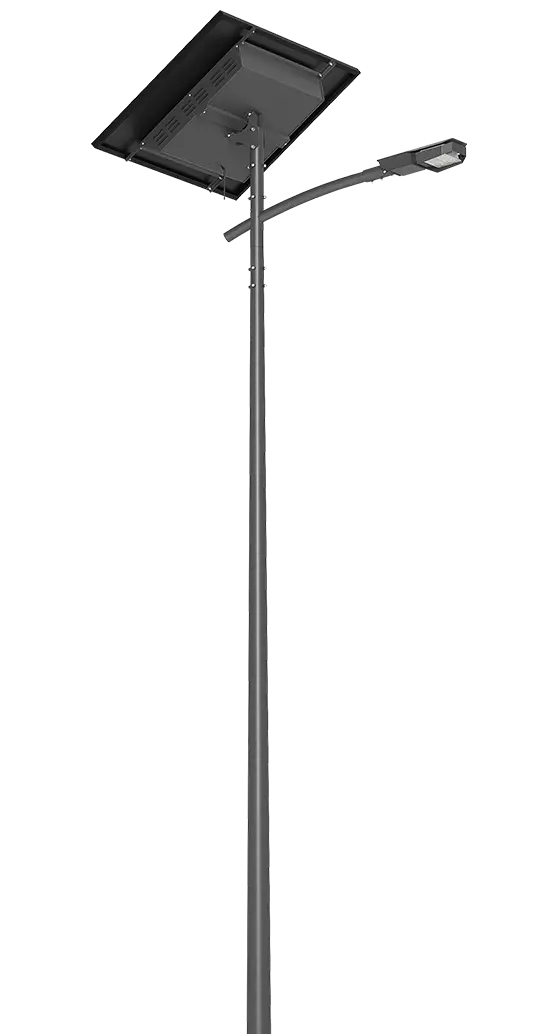
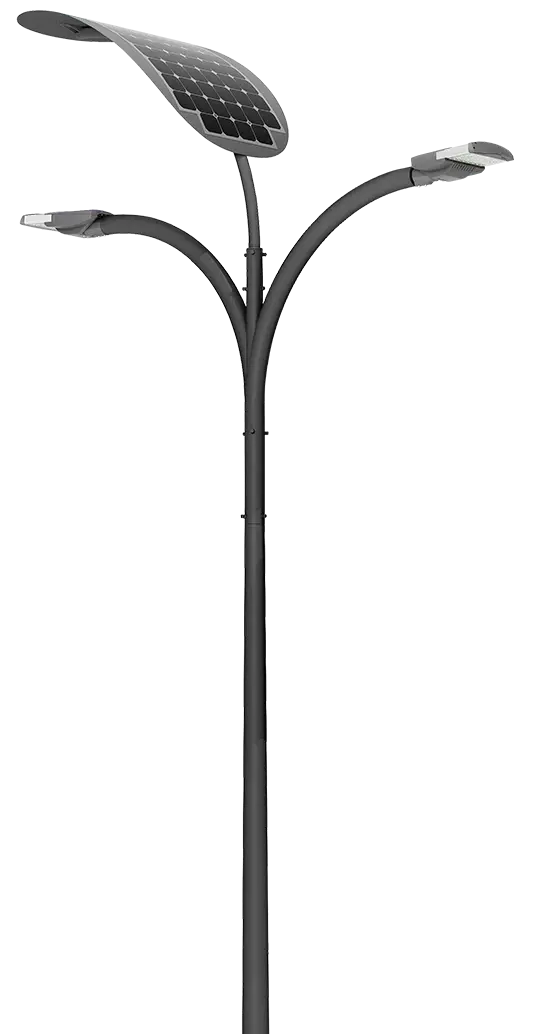
Smart solar street lights are a modern lighting solution that uses solar energy to power street lights while offering advanced features through smart technology. These lights consist of solar panels, LED bulbs, and sensors, all designed to work together to provide efficient and sustainable street lighting. Below, we’ll break down how these lights function and what makes them “smart.”
Components of Smart Solar Street Lights
- Solar Panels: The solar panels absorb sunlight during the day and convert it into energy. This energy is stored in batteries for use at night. Solar energy is free, making these lights a cost-effective and eco-friendly alternative to traditional street lighting.
- LED Lights: LED lights are highly efficient and use less power compared to regular street lamps. They also last longer, making them perfect for outdoor lighting that needs to be reliable and long-lasting.
- Smart Sensors: These lights are equipped with sensors that monitor the surrounding environment. The sensors adjust the brightness of the lights based on the amount of activity or ambient light. For example, if no one is nearby, the light dims, saving energy. When movement is detected, the light brightens. This feature helps conserve energy while maintaining safety.
How Do Smart Solar Street Lights Work?
Smart solar street lights work by combining solar energy with smart technology. During the day, the solar panels collect sunlight and convert it into electrical energy, which is stored in batteries. How much energy solar panels produce depends on factors like panel size and sunlight exposure, but typically, they generate enough power to keep the lights running throughout the night. As night falls, the stored energy powers the LED lights. The smart sensors adjust the lighting based on environmental conditions, ensuring energy is used efficiently while maintaining optimal brightness for safety.
These lights can also be controlled remotely, allowing for easy maintenance and adjustment of settings, such as brightness levels or timing.

How Africa Can Benefit from Smart Solar Street Lights
We all know that Africa desperately needs public lights. Smart Solar Street Lights can be a solution to this problem. Africa is full of sun, and the only problem that has so far stopped the deployment of Solar Street lights on a larger scale is the price of the units. Now, companies like EnGoPlanet offer affordable, high-quality solar LED solutions that can illuminate neighborhoods with clean, free energy.
According to experts, over 30% of all energy used by cities is used in street lighting. Street Lighting has become one of the key necessities of our daily life activities, especially at night.
However, it is one of the vampires in our energy use. Rising energy needs oblige investment in sustainable and clean energy production and use. As a social facility, street light is a key indicator of the socio-economic development position of a country. Streetlights also play an important role in improving the general business and living climate of urban and peri-urban areas.
Due to the high demand on the national grid, it is important to diversify the country’s energy system and supply. Such diversification would require energy-efficient technologies and sources of energy that are independent of the national grid such as solar power.
In many African countries, where the electricity supply is often unreliable, solar street lights provide a dependable and sustainable solution. They also create local jobs in installation, maintenance, and solar technology. Moreover, the economic benefits of renewable energy, such as job creation and reduced energy costs, will continue to grow as more African cities adopt these lights.

Yearly Consumption Cost of a Single Street Light Pole
When comparing the energy costs of traditional street lighting to those of smart solar street lights, it’s clear that the long-term savings can be significant. Here’s a breakdown of how the costs of running a street light compare and why solar street lights offer an appealing option for African communities.
Traditional Street Light Consumption Costs
Traditional street lights, which are powered by electricity from the grid, consume a lot of energy. They typically use high-pressure sodium or metal halide lamps, which are not energy-efficient. A single traditional street light can use anywhere from 100 to 400 watts per hour, depending on the size and type of the bulb. Over the course of a year, this can add up to hundreds of dollars in electricity bills, especially in large cities or areas with street lighting installed along several miles of road:
- Hours of Usage (hrs): 12
- Wattage of Bulb (W): 400
- Rate per kWh (USD): 0.0867
- Consumption per day (kWh): 9.6
- Consumption per year (kWh): 3,504
- Cost per day (USD): 0.8323
- Cost per year (USD): 303.8
Solar Street Light Consumption Costs
In contrast, solar street lights run on energy collected from the sun. They use solar panels to generate electricity during the day, which is stored in batteries for use at night. This means that once the initial installation cost is covered, including the solar power street light price, there are no ongoing electricity costs for these lights. The only cost is maintenance, which is typically lower than for traditional street lights.
A single smart solar street light uses between 30 to 100 watts of energy per hour, much lower than traditional street lights. On average, the annual maintenance cost for a solar-powered street light is around $20 to $50. However, the key savings come from the fact that solar street lights do not rely on grid electricity.

Real-World Examples: Success Stories from Africa
Across Africa, several countries have already embraced smart solar street lights, showing how this technology can help improve communities. These success stories highlight the practical benefits and growing potential of solar street lights in different parts of the continent.
Kenya: Solar Lights in Rural Areas
In Kenya, solar street lights have been installed in many rural areas where the power grid does not reach. This has transformed villages, improving safety and lighting public spaces at night. These lights not only help with security but also provide better opportunities for evening activities, such as education or commerce. By reducing the need for expensive electricity, communities save money and reduce reliance on unreliable grid power.
South Africa: A Step Toward Sustainable Cities
In South Africa, smart solar street lights have been implemented in some urban areas to help reduce energy consumption. These cities are using solar-powered lights that automatically adjust brightness based on traffic or activity. The lights have saved significant amounts of energy and helped the country make progress toward its sustainability goals. The local governments are also exploring how to integrate smart lighting systems into other infrastructure projects to improve overall urban development.
Ghana: Fighting Crime with Smart Lighting
Ghana has also benefited from smart solar street lights. In several cities, street lights powered by solar energy have helped reduce crime rates. The reliable lighting in public spaces has made streets safer, especially at night. It has encouraged more people to walk around and engage in outdoor activities after dark, which boosts the local economy and strengthens community ties.
Ghana has a rising trend in street light energy consumption. A consumption that has risen from 31 GWh in 2000 to 382 GWh in 2014. With a per kWh tariff of 8.67US Cents, the energy consumption by the traditional street lights amounts to $33,119,400 USD annually.
Globally, traditional street lighting consumes about 159 TWh of electricity annually. A reduction of consumption by 50% would eliminate around 80 TWH of electricity consumption and avoid around 40 MtCO2 per year.

Challenges to Overcome for Widespread Adoption
While smart solar street lights offer many benefits, several challenges need to be addressed before they can be adopted widely across Africa. These challenges include high initial costs, maintenance concerns, and a lack of infrastructure. Below, we’ll discuss these issues and explore ways to overcome them.
High Initial Costs
One of the main hurdles for widespread adoption is the high initial cost of installing smart solar street lights. The solar panels, batteries, and advanced sensors required for these systems can be expensive, especially for communities with limited budgets. To fully realize how Africa can benefit from Smart Solar Street Lights, governments and organizations need to find ways to reduce these costs or provide financial support, such as grants or low-interest loans, to make the lights more affordable for all regions.
Maintenance and Technical Skills
Maintaining smart solar street lights can be difficult, especially in rural areas where access to technical expertise is limited. If the lights break or the system malfunctions, it may take longer to fix them. Additionally, factors like solar lighting degradation rate-how performance gradually decreases over time-can impact long-term efficiency. Training local workers to handle repairs and maintenance could solve this problem. Developing a local workforce skilled in solar technology will help keep the lights functioning properly and reduce reliance on outside experts.
Infrastructure and Integration
Many African countries still lack the necessary infrastructure to support widespread solar street light installations. For instance, some areas may not have enough open spaces for solar panels, or there may be challenges with the integration of solar lights into existing street networks. Additionally, the installation of commercial solar parking lot lights could face similar challenges, such as the need for suitable spaces and infrastructure to support the lights’ solar panels. Governments and organizations will need to invest in improving the infrastructure to make it easier to install these lights. Partnerships with private companies could also help solve these integration challenges.

Future of Smart Solar Street Lights in Africa
Using solar for public street lighting creates opportunities to reduce grid energy demand, achieve possible financial savings from reduced electricity use, and lower related GHG emissions. Other benefits for the government include energy conservation and efficiency (i.e., reducing operation hours, the number of lights, and power). Solar-powered camera surveillance can also be integrated with solar street lights, enhancing public safety without relying on grid power. The possibility of harnessing solar radiation to power streetlights is highly viable since most parts of Ghana receive sunshine throughout the year.
Installation of traditional lighting, which means tying your light fixtures to an electrical grid system, requires trenching and underground wiring. The process is lengthy, costly, and inconvenient. Then, you have costs associated with underground wiring, on-site transformers, and electrical enclosures which are often greater than newly installed solar lights.
Additionally, if your project is in environmentally sensitive areas like wetlands, along with a seashore, or in sensitive ecosystems, solar lights minimize the impact on nature by avoiding below-grade services and unsightly enclosures. With commercial solar street lights, projects are self-contained and shovel-ready. It typically takes only four to six weeks from initial inquiry to installation. Regardless of whether you are installing new solar lighting or converting traditional to solar, you eliminate ongoing payments for electricity and you never have to worry about dumsor.

Discover How Africa Can Benefit From Smart Solar Street Lights
Smart solar street lights offer a sustainable and cost-effective solution for many African communities. As we’ve seen, these lights can improve safety, reduce energy costs, and support environmental goals. However, challenges like high initial costs, maintenance, and lack of infrastructure still need to be addressed for wider adoption. Residential solar street lights, for example, can also benefit households by providing a reliable and off-grid lighting solution. By supporting solar technology companies, raising awareness, advocating for government support, and volunteering with NGOs, you can play an important role in promoting this solution. As more communities embrace smart solar street lights, Africa can benefit from safer, more sustainable, and energy-efficient environments. The future looks promising, and with collective effort, the benefits of these lights can reach many more areas across the continent.
Applications
Recent Posts

March 8, 2025
The environmental impact of going solar…
February 28, 2025
Solar Energy in Schools in California
February 25, 2025
How companies can utilize solar electricity…
February 19, 2025
2025 Solar Power Goals: Trends to…