Guide to Fire Safety with Solar Systems

Table of Contents 
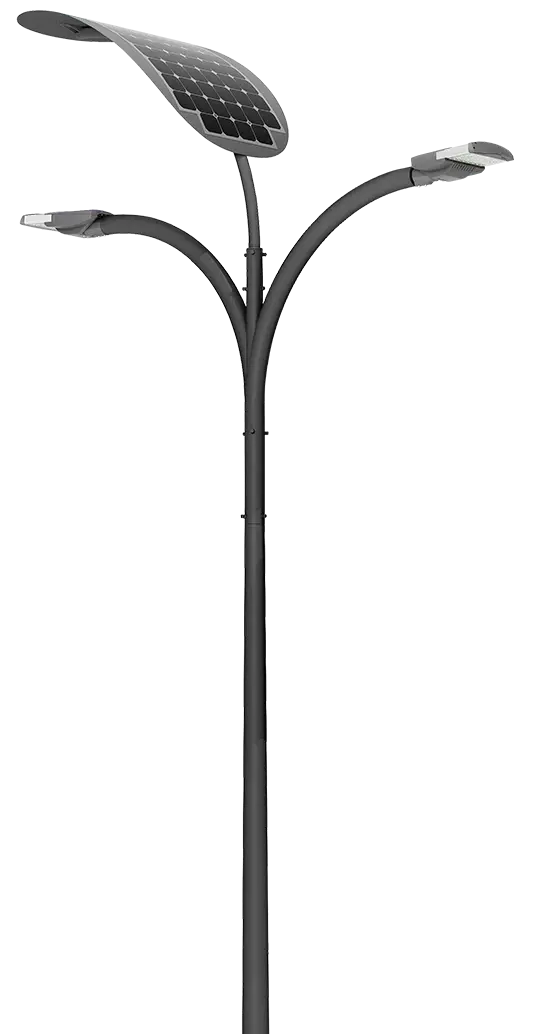
Fire safety is a must when incorporating solar technology into your home or business. As renewable energy becomes more popular, understanding how to manage and maintain solar systems safely is vital. Solar panels and related components must be handled with care to prevent any risk of fire. This guide focuses on key practices aimed at protecting your safety while benefiting from clean energy. It also highlights the benefits of investing in a solar street light made in USA, ensuring you choose quality and reliability. Learn the essentials of fire safety with solar systems and enjoy peace of mind with sustainable power solutions.
Understanding Solar Panels and Fire Risks
Solar panels harness sunlight using photovoltaic cells to generate electricity, a green alternative to traditional energy sources. Although beneficial, they come with some fire risks that require attention.
Electrical faults are a primary concern; these include compromised wiring or faulty connections that could spark fires. The quality of the installation is equally important. Hiring qualified professionals helps avoid the risks associated with improper setup, which often leads to electrical failures. Regular solar system maintenance also plays a big role in fire safety. Routine checks identify and address minor issues before they escalate into major hazards. This approach not only guarantees the system’s efficiency but also extends its lifespan.
Following these guidelines, homeowners and business owners can benefit from all the advantages of integrating solar pole lights and get extra lighting while minimizing risk around their properties.

Preventive Measures for Fire Safety with Solar Systems
Proactive steps are pivotal to easing solar panels and fire risk. First and foremost, always hire certified professionals for installation. This makes sure you meet the highest standards and local building codes, significantly reducing potential hazards.
Here is what to pay attention to:
- Certified Installation: Choose experts with proven credentials. This minimizes risks right from the start.
- Local Building Codes: Follow all regional safety regulations. These codes are designed to protect your home and community.
- Regular Maintenance: Scheduled checks keep your system running smoothly and safely.
- Inspecting Wiring and Connections: Look for any signs of damage or wear. Prompt repairs prevent electrical faults that could lead to fires.
- Cleaning Panels: Remove dust and debris. A clean surface helps prevent overheating, which is a common cause of solar-related fires.
Fire Safety Equipment and Protocols
Increasing fire safety with solar systems involves strategic choices in equipment and design protocols. Key measures include:
- Fire-Resistant Materials: Install materials that resist ignition around solar panels, such as non-flammable mounting systems and roofing materials.
- Firebreaks: Integrate firebreaks into the solar panel layout. These gaps help stop the spread of fire between panels and across roofs.
- Appropriate Fuses and Circuit Breakers: Use correctly rated fuses and breakers to prevent electrical overloads, which are common fire risks.
- Emergency Shutdown Procedures: Establish clear procedures for quickly shutting down the solar system. This capability is important during emergencies to cut the power supply and minimize risks.
These steps are a must for any solar installation so that safety is prioritized alongside energy efficiency. By adopting such measures, homeowners and businesses can protect their investments and provide a safer environment. Regular updates to safety protocols and equipment also keep systems compliant with the latest safety standards.

Case Studies: Solar Systems and Fire Incidents
Analyzing past fire incidents involving solar panels reveals big insights. Many of these incidents stem from electrical faults, poor installation, or component failures. The consequences often extend beyond immediate property damage, impacting the surrounding environment and community confidence in solar technology. However, the solar industry has learned valuable lessons.
Improved standards for installation and maintenance are now enforced more rigorously. Additionally, the adoption of fire-resistant materials and components has increased, significantly mitigating risk. Another significant advancement is the integration of smart monitoring systems. These systems use sensors and sometimes surveillance cameras to detect overheating or electrical failures early, allowing for prompt intervention.
Advances in technology have also led to the development of fire-resistant solar panels, which better contain and withstand high temperatures without compromising functionality. Innovations like these increase overall safety and efficiency. Products such as a solar powered speaker demonstrate how integrating solar technology with everyday devices can be done safely and effectively, offering convenience while adhering to fire safety standards.
Ensuring Fire Safety in Solar-Powered Infrastructure
Fire safety is paramount when integrating solar technology into public infrastructure like street and park lighting. Solar-powered street lights must stick to rigorous safety protocols. Regular inspections can’t be skipped, targeting wiring and energy storage units to prevent overheating and electrical faults. For solar powered park lights, the focus extends to installing components that resist environmental wear, which can lead to exposed wires or malfunctioning parts.
Adopting fire risk management practices includes choosing quality materials that withstand high temperatures and resist ignition. Additionally, implementing automatic shutdown features in the design minimizes risks by disconnecting power in case of a detected fault. Transitioning these safety measures into routine checks guarantees that solar installations remain safe for public use and maintain functionality. These practices not only prevent potential hazards but also build public trust in solar-powered solutions.

Always Think First About Fire Safety
Adopting best practices for the installation and maintenance of solar systems is a smart move toward a safer future. Supporting fire safety with solar systems not only protects investments but also advances the reliability of this clean energy source. As technology evolves, the commitment to thorough safety protocols will play a key role in the widespread adoption of solar energy, making it a secure and sustainable choice for generations to come.
Applications
Recent Posts

March 8, 2025
The environmental impact of going solar…
February 28, 2025
Solar Energy in Schools in California
February 25, 2025
How companies can utilize solar electricity…
February 19, 2025
2025 Solar Power Goals: Trends to…