The Biggest Cost That Set Prices for Smart Solar Street Lights

Table of Contents 
Smart solar street lights are becoming more common in both urban and rural areas, offering energy-efficient solutions. Knowing the cost factors behind these lights is pivotal for making informed decisions. This article will explore the biggest cost that set prices for smart solar street lights, breaking down the components and costs that influence their pricing. We’ll also evaluate how cost-effective these lights are, helping you choose sustainable street lighting options that align with your needs and budget.
Are Solar Street Lights Expensive?
Initial Investment Costs
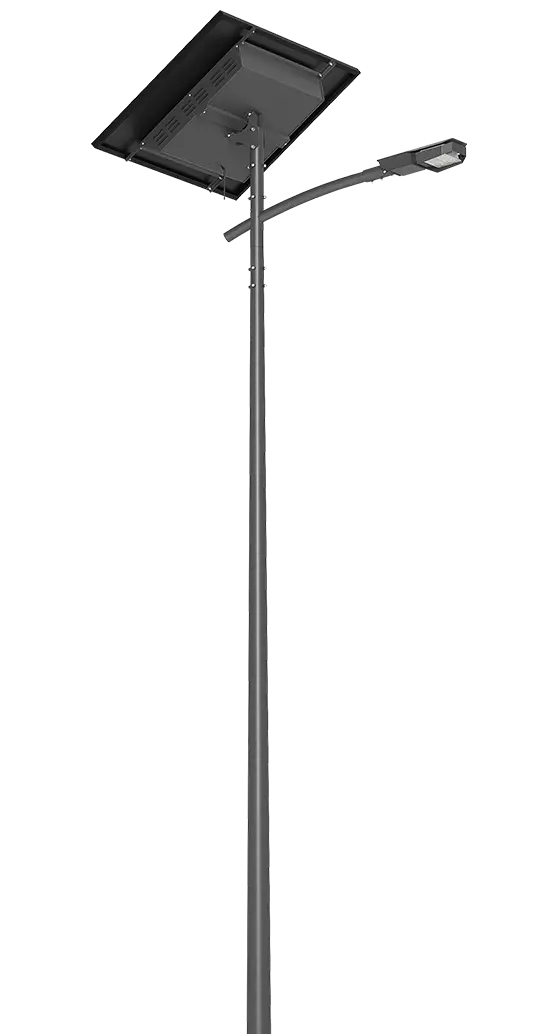
The initial investment in smart solar street lights may seem higher than traditional options, but the long-term benefits outweigh the costs. Traditional street lights require extensive wiring, which adds to the installation expense. On the other hand, solar street lights eliminate these costs, as they rely on solar panels, batteries, and LED technology. Key cost components include the solar street light pole, panels, batteries, and smart technology, each playing a significant role in the overall price. This investment offers substantial savings and sustainability over time.
Cost Variation by Features
Smart solar street lights come with various features that impact their overall cost. Adding smart sensors and remote monitoring capabilities increases the price significantly, offering advanced control and efficiency. Increased battery capacity is another factor that can drive up costs, providing longer operation during cloudy days or nighttime. High-quality materials and durable designs also affect pricing, as they contribute to the longevity and reliability of the lights. The biggest cost that set prices for smart solar street lights often depends on the combination of these features, making them a premium investment.
Market Comparison
The price of solar street lights varies significantly across different markets. In some regions, lower labor and material costs lead to more affordable options. Geographical location also plays a role, as shipping and installation costs can fluctuate based on distance. Supplier reputation and the level of customization available can further influence the final price. Some suppliers offer basic models at lower prices, while others provide advanced features and materials at a premium. Customization options, such as smart sensors or better battery capacity, add to the overall cost.

Are Solar Lights Cost Effective?
Long-Term Savings
Solar street lights offer significant long-term savings by eliminating electricity bills. Unlike traditional street lights, they rely on solar power, reducing energy costs to zero. Over time, this leads to substantial savings, especially in areas where energy costs are high. Maintenance costs are also lower since solar lights require minimal upkeep compared to traditional lights, which need frequent bulb replacements and repairs. Additionally, solar energy is growing in California, making solar street lights a more attractive option for sustainable and cost-effective lighting solutions.
Return on Investment (ROI)
Return on investment (ROI) for solar street lights can be calculated through energy savings, reduced maintenance, and available subsidies. Solar lights eliminate electricity costs, leading to significant long-term savings. Reduced maintenance, with fewer repairs and replacements, also contributes to a quicker ROI. Government subsidies and incentives can further lower initial costs, speeding up the return on investment. Communities and businesses have successfully realized cost savings with solar street light projects. For example, cities in California have reported significant reductions in both energy and maintenance expenses after installing solar lights. These projects demonstrate how investing in solar street lighting can provide a solid return, making them a financially sound choice for sustainable urban and rural development.
Environmental and Social Benefits
Environmental and social benefits add to the cost-effectiveness of solar street lights. They significantly reduce carbon footprints, as they rely on renewable energy instead of fossil fuels. This reduction in greenhouse gas emissions contributes to a healthier environment. Solar street lights also promote sustainability, supporting global efforts to combat climate change. Beyond environmental impact, these lights improve community well-being by providing reliable lighting without contributing to pollution. Their use aligns with modern values of environmental responsibility and social progress. Investing in solar street lighting not only saves money but also supports a sustainable future.

How Many Years Does a Solar Street Light Last?
Lifespan of Key Components
Solar panels in smart solar street lights typically last 20-25 years, depending on environmental factors and material quality. Their durability can be affected by harsh weather conditions or poor maintenance. LED lights, known for their longevity, can operate efficiently for 50,000 hours or more, providing consistent lighting with minimal energy consumption. Batteries, a key component, often determine the biggest cost that set prices for smart solar street lights. Commonly used lithium-ion batteries have a lifespan of 5-7 years, depending on charging cycles and exposure to extreme temperatures. Regular replacement may be necessary, especially in areas with unstable grid energy or irregular recharging patterns.
Maintenance Practices
Regular maintenance is key to extending the lifespan of solar street lights. Cleaning solar panels offers maximum energy absorption, while inspecting and replacing damaged components prevents costly failures. Monitoring battery performance is also important, as timely replacements can avoid disruptions in lighting. Regularly checking connections and proper wiring reduces the risk of malfunctions. Addressing issues promptly prevents minor problems from becoming major repairs. These practices not only prolong the life of the lights but also optimize their performance, providing reliable and efficient lighting. Consistent maintenance helps communities and businesses get the most out of their investment, reducing long-term costs and supporting sustainability efforts.

Real-World Case Studies
Several solar street light projects have delivered different outcomes in terms of lifespan. In some cases, solar lights have exceeded expectations, lasting well beyond their projected lifespans. For instance, EnGoPlanet projects have demonstrated remarkable durability in various environments, showing how high-quality materials and proper maintenance contribute to longevity. On the other hand, some installations have fallen short due to inadequate planning, poor quality components, or lack of maintenance. These failures highlight the importance of choosing reliable suppliers and committing to regular upkeep. Lessons from these implementations emphasize the need for thorough research, attention to detail, and proactive management to make sure solar street lights meet or surpass their intended lifespans, providing communities with lasting, efficient lighting solutions.
How Do I Choose the Best Solar Street Light?
Factors to Consider
When choosing solar street lights, consider several factors to match your needs and environment:
- Assess lighting needs based on location and purpose.
- Focus on key specifications:
- Lumens: Determines brightness level.
- Battery capacity: Affects how long the light operates.
- Solar panel efficiency: Impacts energy absorption.
- Smart features: Increased control and functionality.
- Check weather resistance and durability for outdoor use, particularly in harsh climates.

Vendor Selection
Choosing the right vendor for solar street lights is a must for long-term success. Start by evaluating product quality, looking for durable materials and reliable performance. A strong warranty is essential, offering peace of mind and protection against defects. Customer service also plays a huge role, as responsive support can resolve issues quickly. Additionally, certifications and keeping up to the industry’s standards indicates a supplier’s commitment to quality and safety. This is especially important for municipal solar street lights, where reliability and compliance with regulations are dominant.
Customizing Solutions
Customizing solar street lights to meet specific project needs can significantly boost performance and cost-effectiveness. Urban installations may require higher brightness levels and advanced smart features, while rural projects might prioritize extended battery life and weather resistance. Tailoring these solutions guarantees that the lights are optimized for their environment, providing reliable illumination where it’s needed most. Successful customization examples include adjusting the height and design of commercial solar pole lights to fit varying urban landscapes, which resulted in better light distribution and energy efficiency. This approach can lead to more effective solutions, reducing long-term costs and improving overall performance.
How Much Money Do LED Street Lights Save?
Energy Efficiency of LEDs
LED lights are far more energy-efficient than traditional lighting options. They consume up to 75% less energy, making them a cost-effective alternative. This significant reduction in energy usage translates to lower electricity bills, which is particularly beneficial for large-scale installations. Over time, these savings contribute to substantial cost reductions, making LEDs an attractive investment. Moreover, the biggest cost that set prices for smart solar street lights is often influenced by the energy efficiency of the LED technology used. The long-term savings from reduced energy consumption help offset the initial investment, so that LED street lights are not only environmentally friendly but also economically sound.
Savings in Operational Costs
LED street lights offer substantial savings in operational costs. Their lower energy consumption directly reduces electricity bills, making them a cost-effective solution for municipalities and businesses. Over time, these savings add up, especially in large installations. Additionally, the longevity of LED bulbs significantly decreases maintenance expenses. Unlike traditional bulbs, which require frequent replacements, LEDs last much longer, reducing the need for costly labor and parts. This durability further contributes to cost savings, as fewer resources are needed to maintain the lighting system.
Impact of Smart Technology
Smart technology in LED street lights offers significant additional savings. Features like dimming, motion sensors, and remote control reduce energy usage by adjusting light levels based on real-time needs. This adaptability minimizes electricity consumption, leading to further cost reductions. For example, cities that have implemented smart controls, such as Los Angeles and Chicago, have seen notable decreases in operational costs. The integration of these technologies not only cuts down on energy bills but also enhances the efficiency of maintenance and monitoring. Projects incorporating solar powered 5G small cell technology further optimize energy use, combining communication infrastructure with lighting solutions.
Why Are Solar Lights So Expensive?
Component Costs
The cost of components for smart solar street lights varies widely. Solar panels are a significant expense, with prices depending on efficiency and durability. Batteries also play a crucial role. Lead-acid batteries are cheaper but have a shorter lifespan, making them less economical long-term. Lithium-ion batteries cost twice as much, but recent advancements and increased production are driving prices down. Tesla’s Gigafactory is expected to reduce lithium battery costs by 40% in the coming years, making them a smarter choice due to better cycle life and compact size. LED fixtures, while initially expensive, offer long-term savings due to their energy efficiency. Smart sensors add to the upfront cost, but their ability to optimize energy usage justifies the investment.

Research and Development
Research and development (R&D) costs are significant in the creation of innovative solar lighting technologies. These expenses drive up initial prices, but they also lead to products with greater efficiency and longer lifespans. Continuous R&D efforts result in advanced features like smart sensors and improved battery technology, adding to the overall value of solar lighting systems. While these innovations increase costs initially, they ultimately reduce long-term expenses through better performance and durability. For example, integrating a solar powered speaker into street lights is an innovation that stems from R&D, adding functionality and appeal to the product, justifying the investment.
Market Dynamics
Market dynamics play a crucial role in the pricing of solar street lights. Supply chain disruptions, tariffs, and global demand can all impact costs, leading to price fluctuations. However, as adoption of solar technology increases, economies of scale come into effect. Larger production volumes reduce per-unit costs, making solar street lights more affordable over time. Additionally, as more countries invest in solar infrastructure, increased competition among suppliers can further drive down prices.
The Benefits of Solar Street Lights
Environmental Impact
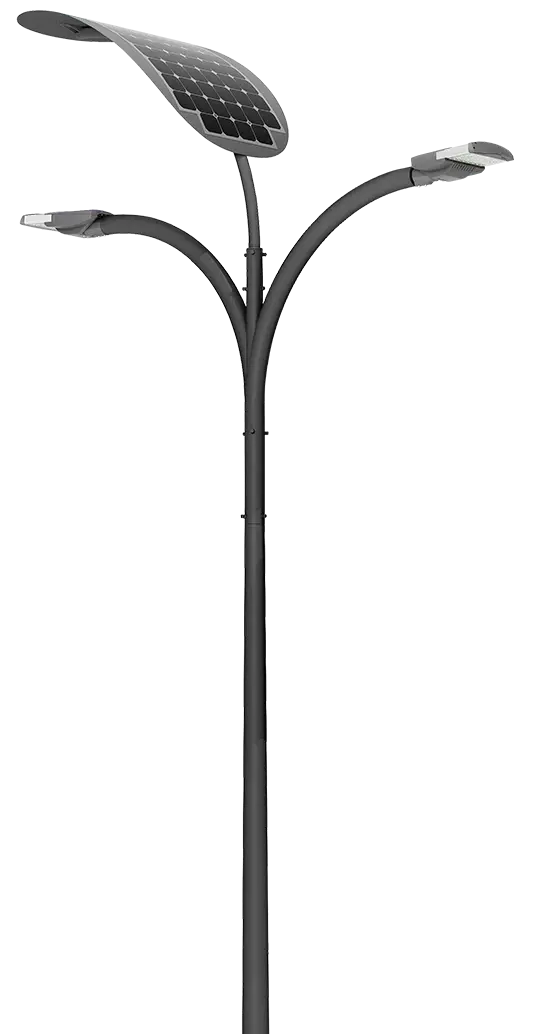
Solar street lights significantly reduce greenhouse gas emissions and reliance on fossil fuels, contributing to a cleaner environment. By using renewable energy, these lights help lower carbon footprints and promote sustainability. Additionally, they benefit local ecosystems by reducing light pollution, which can disrupt wildlife and hinder biodiversity. Innovations like the EnGo Leaf design, where solar panels are shaped like leaves, further blend technology with nature, minimizing environmental impact. This thoughtful approach not only preserves natural habitats but also ads to the aesthetic appeal of urban and rural areas.

Community and Corporate Benefits
Solar street lights offer significant benefits to both communities and corporations. They add to safety and security by providing consistent lighting, reducing the risk of accidents and crime. For businesses and municipalities, investing in solar street lights helps improve their green image, demonstrating a commitment to sustainability. This visible effort to reduce environmental impact aligns with modern sustainability goals, appealing to eco-conscious consumers and residents. Moreover, adopting solar technology can position companies and cities as leaders in environmental responsibility, attracting positive attention and potentially increasing public support.
Get Your Smart Solar Street Lights
Smart solar street lights offer long-term savings and sustainability, making them a wise investment for modern lighting needs. While the biggest cost that set prices for smart solar street lights includes components like solar panels, batteries, and smart sensors, the benefits far outweigh the initial expense. These lights reduce energy and maintenance costs, contributing to a greener future. Stakeholders should consider smart solar street lights as a cost-effective and environmentally responsible choice for better safety and efficiency in communities and businesses.
Applications
Recent Posts

March 8, 2025
The environmental impact of going solar…
February 28, 2025
Solar Energy in Schools in California
February 25, 2025
How companies can utilize solar electricity…
February 19, 2025
2025 Solar Power Goals: Trends to…