A Look at Texas Parks Benefiting from Sustainable Lighting Solutions

Table of Contents 
Sustainable lighting is transforming public spaces, and its benefits are now reaching parks across Texas. With the push for environmentally friendly solutions, more parks are switching to sustainable lighting, including solar powered solutions, to meet energy goals while preserving natural landscapes. Sustainable lighting helps parks cut down on energy costs and minimize their environmental footprint, which has become increasingly important for communities across the state. This article will explore Texas parks benefiting from sustainable lighting solutions and show how these systems improve safety, reduce costs, and support local ecosystems. We’ll look at why sustainable lighting is needed, how solar systems work in parks, and the many ways Texas parks benefit from these solutions.

The Need for Sustainable Lighting in Texas Parks
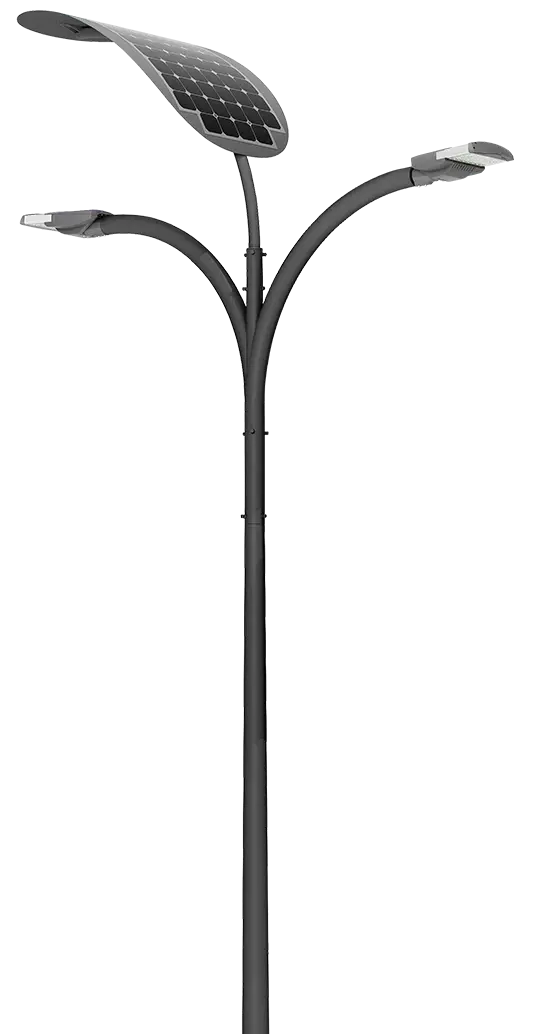
Texas parks need sustainable lighting solutions to balance environmental care with energy demands. Traditional lighting in parks relies on high energy usage, which drives up costs and emissions. Given Texas’s vast natural spaces and warm climate, sustainable lighting is a practical solution that conserves resources and protects local ecosystems. For example, park solar street lights can operate independently of the grid, allowing even remote areas to stay lit without major infrastructure.
Sustainable lighting in parks also improves safety and accessibility. Well-lit paths and parking areas help visitors navigate the space safely, especially during evening hours. Traditional lighting can be harsh, affecting wildlife and disrupting their natural rhythms. In contrast, sustainable lighting systems, like low-energy LEDs, minimize light pollution. These eco-friendly lights create a balance, lighting paths without disturbing the surrounding environment.
On a financial level, sustainable lighting helps Texas parks reduce long-term costs. LED and solar options require less maintenance and last longer than conventional lighting. Over time, the savings can be substantial, allowing parks to allocate their budgets toward other improvements. Texas also offers incentives for public projects that reduce energy use, making sustainable lighting a wise choice for parks aiming to stay within budget.
Sustainable lighting aligns with Texas’s broader environmental goals. As the state moves toward greener energy solutions, parks can lead by example, demonstrating responsible energy use. This shift benefits not only park visitors but also the community as a whole. Texas parks benefiting from sustainable lighting solutions make parks safer, greener, and more cost-effective, making it an ideal choice for Texas’s future.
How Solar Lighting Solutions Work in Parks
Solar lighting solutions have become popular in Texas parks as a sustainable, efficient way to light outdoor spaces. These systems reduce energy costs and environmental impact, making them ideal for public parks. Here’s a look at how solar lighting works and why it’s a good fit for Texas parks benefiting from sustainable lighting solutions.
Solar Panels Capture and Store Energy
Solar lighting starts with solar panels, which absorb sunlight during the day. In Texas, where sunlight is abundant, these panels collect large amounts of solar energy, even on cloudy days. The panels convert this sunlight into electricity, which gets stored in batteries to power the lights at night. This off-grid setup means the lights work independently, providing lighting without relying on traditional power sources.
Automatic Operation
Solar lighting systems use sensors to operate automatically. When the sun sets, the lights turn on, and they shut off at sunrise. This automatic feature means less need for manual control, reducing maintenance costs and human intervention. Texas parks can stay lit for visitors at night, offering safety and visibility without continuous management.
Energy Efficiency with LED Bulbs
Most solar lighting systems use LED bulbs, which are more efficient than traditional bulbs. LED lights need less energy, so they extend the battery life of solar systems. They also last longer, meaning parks won’t need to replace them as frequently. LEDs reduce energy waste, adding to the sustainability of Texas parks benefiting from sustainable lighting solutions.
Low Environmental Impact
Solar lighting lowers carbon emissions and reduces light pollution, which is important for parks that aim to protect local wildlife. These systems direct light downward, avoiding unnecessary brightness that can disturb animals. Texas parks using solar lighting help preserve natural habitats while keeping spaces well-lit for visitors.

Case Studies: Texas Parks Benefiting from Sustainable Lighting Solutions
Many Texas parks have adopted sustainable lighting solutions, offering excellent examples of how these systems benefit outdoor spaces. These parks are creating safer, more energy-efficient environments for visitors while preserving natural habitats. Here are some standout examples of Texas parks benefiting from sustainable lighting solutions.
Zilker Park, Austin
Zilker Park in Austin is known for its outdoor events, trails, and beautiful scenery. To make the park safer and more environmentally friendly, Austin has invested in solar-powered and LED lighting systems throughout Zilker Park. These sustainable lights reduce energy costs and light pollution, allowing visitors to enjoy nighttime activities without disturbing the surrounding environment. The lighting also enhances security, particularly along pathways and parking areas, making it safer for evening visitors.
Discovery Green, Houston
Discovery Green, a popular urban park in downtown Houston, has also implemented sustainable lighting solutions. The park uses LED lighting in various installations, including sculptures and garden pathways. LEDs in Discovery Green help reduce energy use while adding vibrant colors to the park’s features, creating an inviting atmosphere for guests. The energy savings from these lights allow the park to invest in more community activities and events. By adopting these sustainable lighting practices, Discovery Green sets an example for other urban parks aiming to lower their environmental footprint.
Palo Duro Canyon State Park, Canyon
Palo Duro Canyon State Park in Canyon, Texas, has embraced solar lighting to protect its natural landscapes. Known for its scenic views and rugged trails, this park benefits from off-grid solar lighting, particularly in remote areas. Solar lights provide visibility along paths and campsites without needing extensive wiring or large infrastructure, which could disrupt the natural setting. The park’s use of solar lighting minimizes both energy costs and light pollution, helping preserve the canyon’s beauty for future generations.
These case studies highlight how Texas parks benefiting from sustainable lighting solutions enhance safety, reduce costs, and protect nature. From urban spaces like Discovery Green to natural sites like Palo Duro Canyon, these parks show how sustainable lighting creates a positive impact across Texas.

Benefits of Sustainable Lighting Solutions for Texas Parks
Sustainable lighting options, like solar-powered and LED lights, significantly reduce energy costs for Texas parks. Unlike traditional lighting, which relies on high energy use, solar lighting captures sunlight and converts it into free, renewable power. LED lights, known for their efficiency, require less energy and last longer than standard bulbs. With these systems, parks save on monthly energy bills and avoid frequent bulb replacements, freeing up funds for other park improvements and amenities.
Sustainable lighting solutions improve visibility, which makes parks safer for visitors. Well-lit pathways, parking lots, and recreational areas allow visitors to navigate more easily, especially in the evening. LED lights used in many parks provide clear, focused lighting that enhances visibility without being overly bright. Automatic sensors in solar lights ensure lights turn on at dusk and off at dawn, keeping areas illuminated when needed. This feature reduces the risk of accidents and helps visitors feel secure after dark.
Sustainable lighting helps Texas parks reduce their environmental impact. Solar-powered systems use renewable energy, lowering the park’s reliance on non-renewable resources. LEDs also generate less waste since they last longer than traditional bulbs. Additionally, sustainable lights reduce light pollution, which protects local wildlife and preserves natural darkness. Many sustainable systems direct light downward to avoid disturbing nocturnal animals or interfering with natural habitats.
Adopting sustainable lighting solutions sets a positive example for the community. Texas parks that choose eco-friendly lighting practices show a commitment to environmental care and responsible energy use. Visitors appreciate parks that prioritize sustainability, as it reflects a shared interest in preserving public spaces. By using sustainable lighting, Texas parks inspire other community projects to consider environmentally friendly options.

Types of Sustainable Lighting Used in Texas Parks
Texas parks use a variety of sustainable lighting solutions that are both efficient and environmentally friendly. These lighting types meet the diverse needs of public parks, from lighting pathways to enhancing security. Here’s an overview of the main types of sustainable lighting used in Texas parks.
Solar-Powered Lights
Key benefits of solar-powered lights:
- Energy Independence: Solar lights operate off-grid, making them independent of the traditional power supply.
- Cost Savings: They reduce electricity bills, as they don’t draw power from the grid.
- Low Environmental Impact: Solar lights generate clean energy and reduce greenhouse gas emissions.
LED Lighting
LEDs (Light Emitting Diodes) are a top choice for sustainable lighting in Texas parks. LEDs use significantly less energy than traditional bulbs and have a much longer lifespan. Solar poles commonly used in pathways, parking lots, and recreational areas to provide bright, focused lighting.
Advantages of LED lighting include:
- Energy Efficiency: LEDs use less electricity, which means lower energy costs for parks.
- Durability: They last much longer than traditional lights, often up to 50,000 hours or more.
- Low Heat Emission: LEDs emit minimal heat, making them safer and reducing energy waste.
Motion-Sensor Lights
Motion-sensor lights turn on when they detect movement, which helps conserve energy by only lighting up when necessary. This type of lighting is especially useful in less busy areas of a park, such as walking trails or parking lots.
Benefits of motion-sensor lighting:
- Energy Conservation: Lights only activate when needed, reducing overall energy use.
- Enhanced Security: The sudden activation of lights can act as a deterrent to trespassers.
- Longer Lifespan: Limited use means bulbs last longer, cutting down on replacement costs.

Future Opportunities for Texas Parks
The future of Texas parks holds exciting opportunities for enhancing sustainability through innovative lighting solutions. As technology evolves, parks can adopt new methods to improve safety, reduce costs, and enhance visitor experiences. Here are some key opportunities that lie ahead.
Advancements in Solar Technology
One significant opportunity is the advancement of solar technology. Innovations in solar panels and battery storage systems will likely make solar lighting even more efficient and reliable. New solar technologies, including solar powered speakers, can capture and store more energy, ensuring lights function effectively even during cloudy days or at night. As these advancements become more affordable, more Texas parks will implement solar lighting solutions, reducing their reliance on traditional energy sources.
Community Engagement and Education
Community engagement plays a vital role in the future of sustainable lighting in Texas parks. By involving local communities in decision-making processes, parks can better address the needs and concerns of visitors. Education programs can help raise awareness about the benefits of sustainable lighting, encouraging residents to support these initiatives. When communities feel connected to their parks, they are more likely to advocate for sustainable practices.
Partnerships for Funding and Innovation
Establishing partnerships with local businesses and organizations can also create opportunities for funding and innovation. Collaborations can lead to grants or sponsorships for implementing sustainable lighting projects. Additionally, these partnerships can foster knowledge sharing and inspire new ideas for enhancing park facilities. Working together, parks and local entities can develop creative solutions that benefit both the environment and the community.

Texas Parks Benefiting from Sustainable Lighting Solutions: A Brighter Future for Nature and Communities
Texas parks are making significant strides by adopting sustainable lighting solutions. As we have explored, the need for such systems arises from the importance of energy efficiency, safety, and environmental protection. By utilizing solar-powered lights, residential solar street lights, LED technology, and motion-sensor systems, parks can create a safer and more welcoming environment for visitors while reducing energy costs. Case studies from locations like Zilker Park, Discovery Green, and Palo Duro Canyon State Park highlight the positive impact of these solutions. Looking ahead, advancements in solar technology and smart lighting systems will further enhance these efforts. Community engagement and strategic partnerships will play key roles in expanding the reach of sustainable practices. Ultimately, Texas parks benefiting from sustainable lighting solutions will not only improve the visitor experience but also lead the way toward a greener future for all.
Applications
Recent Posts

March 8, 2025
The environmental impact of going solar…
February 28, 2025
Solar Energy in Schools in California
February 25, 2025
How companies can utilize solar electricity…
February 19, 2025
2025 Solar Power Goals: Trends to…