The Rise of Solar Energy in Texas

Table of Contents 
Solar energy is quickly gaining attention in Texas. The state’s wide-open spaces and abundant sunlight create the perfect setting for this renewable energy source. Over the past few years, more people in Texas have started using solar power, which has led to a noticeable increase in solar installations across the state. This growth isn’t just happening with homes and businesses; even public spaces are embracing solar energy. For instance, outdoor solar LED street lights are becoming more common in cities and towns. The rise of solar energy in Texas is not only recognizing the benefits of solar energy but also leading the way in adopting it on a larger scale.
Is Solar Booming in Texas?
Solar energy is experiencing significant growth in Texas. The state’s commitment to renewable energy has led to a noticeable increase in solar installations and investments. This upward trend highlights Texas’s emerging role as a leader in solar power adoption.

Recent Trends in Texas Solar Growth
In recent years, Texas has seen a sharp rise in solar energy projects. Numerous residential and commercial properties are installing solar street light pole to harness the abundant sunlight available throughout the state. For instance, several large-scale solar farms have been developed, contributing thousands of megawatts to the state’s energy supply. Additionally, the cost of solar technology has decreased, making it more accessible to a broader range of consumers. This affordability has encouraged more homeowners and businesses to switch to solar power, accelerating the growth even further.
Impact on the Texas Energy Grid
The rise of solar energy in Texas has positively affected the energy grid. By adding more renewable sources, the state has diversified its energy portfolio and reduced reliance on traditional fossil fuels. This shift has led to a more stable and resilient grid that can better handle high-demand periods, especially during hot summer. Additionally, the rise in solar energy has impacted various sectors, including the solar powered parking lot lights cost. These lights offer an energy-efficient alternative to traditional lighting, contributing to lower electricity prices and reducing overall energy expenses. Increased solar adoption has also contributed to lower electricity prices and reduced greenhouse gas emissions, promoting a cleaner and more sustainable environment for Texans.
Why is Texas Good for Solar Power?
Texas has quickly become a top location for solar power, thanks to its unique advantages. The state’s climate, combined with advancements in technology and infrastructure, makes it an ideal place for solar energy growth.
Ideal Climate Conditions
Texas enjoys plenty of sunshine year-round, which is one of the biggest reasons for its success with solar power. The state receives more than 200 days of sun annually, making it a perfect spot for solar panels to generate electricity efficiently. This abundance of sunlight not only maximizes energy production but also lowers the cost of solar energy for consumers. Additionally, Texas’s vast open spaces provide ample room for large-scale solar farms, allowing the state to harness the sun’s power on a grand scale.
EnGoPlanet’s Contribution to Texas’ Solar Boom
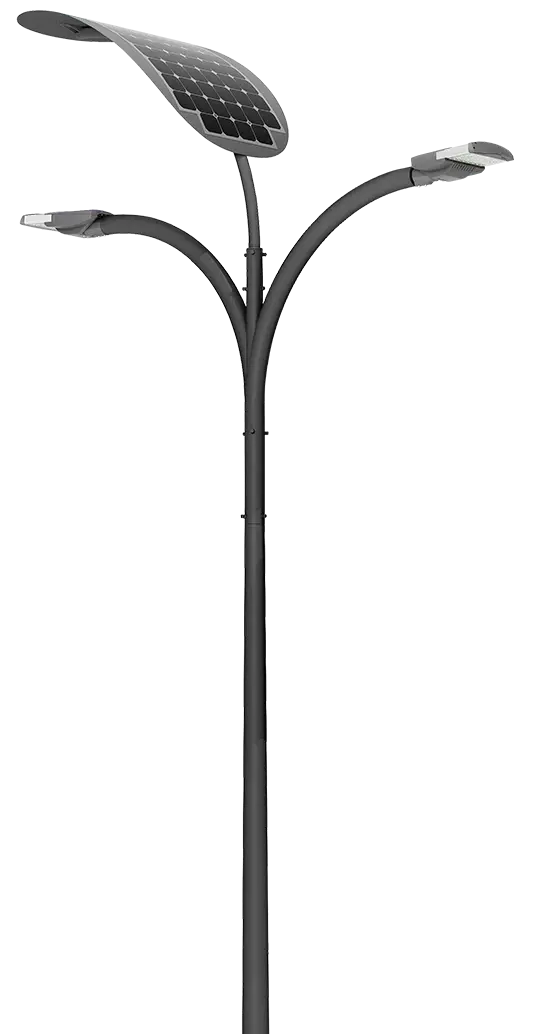
EnGoPlanet has played a significant role in Texas’s solar energy expansion. The company has implemented several innovative projects that showcase the potential of solar technology in public spaces. For example, EnGoPlanet has installed outdoor solar LED street lights in Calhoun County, helping to reduce energy costs and promote sustainability in the area. The EngoPlanet project highlights how solar power can be integrated into everyday infrastructure, providing practical benefits while supporting environmental goals. EngoPlanet has developed innovative solar power solutions that push the boundaries of renewable energy technology:

Technological and Infrastructure Advances
Texas has also benefited from technological advancements that have made solar energy more reliable and accessible. Improved solar panel efficiency and battery storage solutions have increased the effectiveness of commercial solar pole lights installations, making them a more viable option for both urban and rural areas. Additionally, Texas’s existing energy infrastructure has been upgraded to accommodate the influx of solar energy. This integration ensures that the power generated by solar panels is efficiently distributed across the state, contributing to a more balanced and resilient energy grid.
Does Texas Lead in Solar Energy?
Texas is rapidly emerging as a leader in solar energy, driven by its abundant resources and growing commitment to renewable energy. The state’s significant strides in solar energy production highlight its role in shaping the future of clean energy.
The rise of Solar energy in Texas has quickly propelled the state to become one of the top producers of solar power in the United States. The state’s large-scale solar farms contribute significantly to its energy mix, providing clean and renewable power to millions of residents. Texas’s solar capacity has expanded at an impressive rate, outpacing many other states. This growth has been fueled by investments in both residential and commercial solar projects, as well as a favorable policy environment that encourages renewable energy adoption. As a result, Texas is not just keeping up with national trends but is also setting a strong example for other states to follow.
The Environmental Impact of Solar Energy in Texas
Reduction in Carbon Emissions:
- Switching to solar energy significantly reduces carbon emissions.
- Lower Greenhouse Gases: Solar panels produce electricity without burning fossil fuels, which cuts down on greenhouse gas emissions.
- Decreased Air Pollution: By replacing coal and natural gas power plants, solar energy helps reduce pollutants like sulfur dioxide and nitrogen oxides, leading to cleaner air.
Solar energy also helps conserve natural resources. Traditional energy sources often require large amounts of water for cooling and extraction processes. Solar power, however, uses minimal water, which helps preserve this critical resource. Solar farms take up less land compared to the extensive mining operations needed for fossil fuels. This preservation of land and water supports the conservation of natural habitats and ecosystems.
Using solar energy improves air quality by reducing the pollutants released from burning fossil fuels. Traditional power plants emit sulfur dioxide, nitrogen oxides, and other harmful substances that can contribute to smog and respiratory problems. Solar power avoids these emissions, leading to cleaner air. As more Texans adopt solar energy, the overall air quality in the state improves, benefiting public health and the environment.

What Has Led to the Increase in Solar Installations in Texas?
The rise in solar installations across Texas is hard to ignore. Various factors have contributed to this growth, making solar energy more accessible and appealing to both individuals and businesses.
Cost Reductions and Technological Advancements
One of the main drivers behind the increase in solar installations is the significant drop in costs. Over the past decade, the price of solar panels and related equipment has decreased dramatically. This price reduction has made solar power an affordable option for many Texans, leading to a surge in installations. Technological advancements have also played a role, with newer solar panels becoming more efficient and easier to install. These improvements mean that homeowners and businesses can generate more power with fewer panels, further lowering costs and increasing adoption.
Impact of Federal and State Policies
Government policies have also contributed to the growing popularity of solar energy in Texas. Federal tax credits have provided substantial financial incentives for those installing solar panels, making the investment more attractive. At the state level, Texas has introduced policies that support renewable energy development. These policies include favorable net metering rules, which allow solar panel owners to sell excess power back to the grid, reducing their energy bills. These financial benefits have encouraged more Texans to consider solar energy as a viable option.
Public Awareness and Environmental Concerns
Public awareness about the benefits of renewable energy has increased significantly in recent years. As more people become concerned about environmental issues, such as climate change and air pollution, they are turning to solar power as a cleaner alternative to traditional energy sources. The desire to reduce carbon footprints and contribute to a sustainable future has driven many individuals and organizations to invest in solar installations. Additionally, local communities and businesses are increasingly recognizing the long-term financial savings that solar energy can provide, making it a more appealing choice.
Business and Homeowner Investments
Businesses and homeowners across Texas are investing in residential solar street lights at unprecedented rates. Companies are installing solar panels to reduce operating costs and enhance their commitment to sustainability. Similarly, homeowners see the long-term financial benefits of generating their electricity. With the added incentive of increasing property values, solar installations have become a smart financial decision for many Texans. This growing interest from both sectors has played a crucial role in driving the overall increase in solar installations throughout the state.

Challenges Facing Solar Energy in Texas
Despite its many benefits, solar energy in Texas faces several challenges. Addressing these issues is important for the continued growth and effectiveness of solar power in the state.
One major challenge is the current grid infrastructure. Texas has a vast and complex electrical grid, and integrating a growing amount of solar energy can strain the system. Solar power often peaks during sunny periods, which might not always align with peak demand times. This mismatch can cause difficulties in balancing supply and demand. Improving grid technology and investing in upgrades are necessary steps to handle the increased solar capacity efficiently.
Weather conditions also pose a challenge for solar energy. While Texas generally enjoys plenty of sunshine, occasional cloudy days and severe weather can affect solar power production. The variability in weather means that solar energy output can fluctuate, which complicates planning for a consistent energy supply. Developing better energy storage solutions can help mitigate these fluctuations and ensure a stable energy supply even when the sun isn’t shining.
Policies and regulations can impact the expansion of solar energy. Local and state regulations can vary, creating a patchwork of rules that might hinder solar adoption. For example, some areas may have restrictive zoning laws or complicated permitting processes that slow down the installation of solar panels. Streamlining these regulations and offering clearer guidelines could help facilitate a smoother growth of solar energy.

Future Prospects for Solar Energy in Texas
Experts predict that solar energy will continue to grow rapidly in Texas. Ongoing investments and supportive state policies are paving the way for new solar projects across urban and rural areas. Innovative technologies and storage solutions are also emerging, enhancing the efficiency and reliability of solar power systems. As public awareness about renewable energy benefits increases, more individuals and organizations are expected to embrace solar energy, driving continued expansion in the coming years:
- Improved Solar Panels: Newer solar panels are more efficient at converting sunlight into electricity. They can generate more power even with less sunlight.
- Energy Storage: Developments in battery technology allow for better storage of solar energy. This means you can store energy for use during cloudy days or at night.
- Smart Grids: Modern smart grid technologies help manage solar energy distribution more efficiently. They can balance energy supply and demand, reducing power outages and improving reliability.
The growth of solar energy in Texas also translates into job opportunities. As more solar projects get underway, there is a rising need for skilled workers in the industry. Jobs range from installing solar panels to maintaining and repairing them. Additionally, new positions in research and development are opening up as companies seek to advance solar technology.
Impact on Air Quality
The switch to solar energy improves air quality.
- Reduced Smog: With fewer emissions from power plants, solar energy helps reduce smog formation, which improves air quality.
- Health Benefits: Cleaner air leads to fewer respiratory problems and other health issues related to air pollution, benefiting public health.

The Rise of Solar Energy in Texas: A Growing Powerhouse
The rise of solar energy in Texas is a clear example of how favorable conditions, supportive policies, and technological advancements can drive significant change. Texas’s abundant sunshine and decreasing solar costs have made it an attractive location for solar installations. State and federal incentives further boost adoption, making solar power a practical choice for many. As businesses and homeowners increasingly invest in solar energy, EnGo Leaf is setting new standards in efficiency and design. Texas continues to strengthen its position in the renewable energy sector. Looking ahead, the state’s commitment to solar energy suggests that the growth will likely persist, benefiting both the environment and the economy.
Applications
Recent Posts

March 8, 2025
The environmental impact of going solar…
February 28, 2025
Solar Energy in Schools in California
February 25, 2025
How companies can utilize solar electricity…
February 19, 2025
2025 Solar Power Goals: Trends to…