Going Off Grid In The City – From Solar Street Lights To Home Electricity Bills

Table of Contents 
Choosing to live off the grid means embracing self-sufficiency and independence. Contrary to popular belief, off-grid living isn’t limited to remote areas. Many urban dwellers are also adopting this lifestyle for its benefits. Urban off-grid living promotes self-sufficiency, reduces reliance on traditional utilities, and supports sustainability. It empowers individuals to take control of their energy and resources. From harnessing solar power with EnGoPlanet Solar Street Lights to managing water systems, going off grid is a practical and rewarding choice.
Understanding Off-Grid Living in Urban Areas
Off-grid living means operating independently from public utilities. It involves generating your own electricity, managing water supply, and handling waste. Typically, urban services include water, gas, electricity, sewage, and garbage collection. Transitioning to self-reliance in an urban setting offers numerous benefits. You gain control over resources, reduce bills, and minimize environmental impact. Solar panels, rainwater harvesting, and composting are practical solutions. Adopting this lifestyle increases sustainability and fosters a sense of independence. This shift encourages innovation and resourcefulness.
Solar Street Lights and Bus Stations
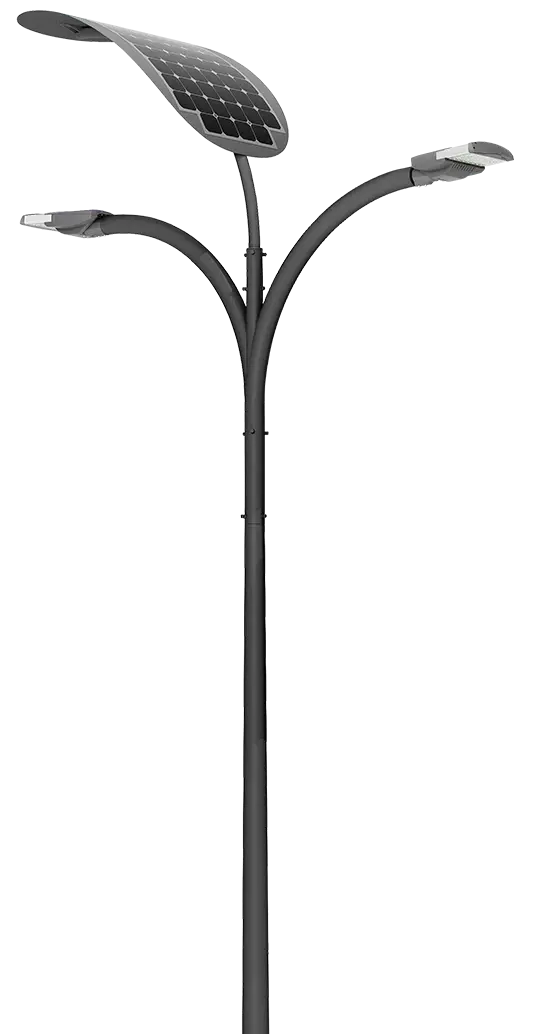
Solar street lights and bus stations utilize solar panels to capture sunlight, storing energy in batteries. This energy powers LED lights, providing efficient illumination. These systems offer cost savings and reduce environmental impact. Additional features include environmental sensors, flood and fire detection, Wi-Fi hotspots, camera monitoring, and charging ports. Cities like San Francisco and Barcelona have implemented these technologies. A solar powered bus stop not only saves energy but also improves public safety and connectivity. Such infrastructure promotes sustainability and smart city development. Solar power provides reliable, eco-friendly lighting and services. This shift towards renewable energy benefits urban environments and residents alike. As more cities adopt this technology, the positive impact grows.

Sustainable Transportation
Walking and biking in urban areas provide excellent exercise and cost savings. Public transportation options like buses and trains offer significant economic benefits. Carpooling and ride-sharing reduce traffic congestion and save money. Sustainable transportation minimizes reliance on gasoline and diesel-powered vehicles, lowering emissions. Cities adopting municipal solar street lights further support eco-friendly commuting. These initiatives promote a healthier environment and community. Following these methods fosters cleaner, greener cities and improves overall quality of life.
Generating Your Own Electricity with Solar Power
Solar panel technology converts sunlight into electricity, offering clean energy and cost savings for urban homes. Installing solar panels reduces reliance on the grid and lowers bills. Here are steps to install solar panels on various buildings:
- Assess roof suitability and sun exposure.
- Choose the right solar panel system.
- Hire a professional installer.
- Obtain necessary permits.
- Connect to the power grid.
Financial incentives and rebates make solar panel installation more affordable. Governments and utilities often provide these benefits. Examples of successful urban solar power installations include projects in New York and Los Angeles. These initiatives demonstrate the viability and advantages of solar power in cities.

Additional Off-Grid Solutions for Urban Areas
Rainwater harvesting captures and stores rain for household use, promoting water conservation. Techniques like installing rain barrels and creating rain gardens help. Composting reduces waste by turning organic material into nutrient-rich soil. Urban gardening allows city dwellers to grow their own food, even in small spaces. Utilizing rooftop gardens and community plots are effective methods. Greywater systems recycle household water from sinks and showers for irrigation. These systems reduce water waste and support sustainable living. Innovations like the solar powered 5g small cell also contribute to urban self-sufficiency. These off-grid solutions add to urban resilience, reduce environmental impact, and promote a sustainable lifestyle.
Financial Considerations and Savings
Analyzing the costs and benefits of going off-grid in the city is pivotal. Initial investments can be high, but long-term savings are significant. Reduced utility bills contribute to these savings. Off-grid technologies often increase property value, making them a wise investment. Grants, subsidies, and tax incentives are available to offset installation costs. These financial aids make adopting off-grid systems more affordable. Considering these factors, the financial benefits of going off-grid in urban areas are substantial. With proper planning, the shift to self-sufficiency is both economically and environmentally rewarding.

Challenges and Solutions for Urban Off-Grid Living
Going off-grid in the city presents challenges like space constraints and strict regulations. Maximizing rooftop and vertical spaces can address space issues. Understanding local regulations helps in going through legal hurdles. Joining urban off-grid communities provides valuable support and resources. These groups share best practices and advice. Solutions include using commercial solar street lights to reduce energy costs and improve sustainability. Adopting compact, efficient technologies also helps. Leveraging community gardens and shared resources fosters collaboration. Educating yourself about off-grid systems provides easier transitions. With creative approaches and community support, urban off-grid living becomes feasible. Embracing these solutions leads to a more sustainable, independent lifestyle.
Future Trends in Urban Off-Grid Living
Emerging technologies are revolutionizing urban off-grid living. Innovations like advanced solar panels, efficient batteries, and smart home systems are leading the way. Predictions indicate significant growth in urban off-grid living, driven by increasing environmental awareness and cost-saving benefits. Government policies and initiatives play a huge role in this shift. Incentives and subsidies for green technologies encourage adoption. The development of integrated systems, such as a solar street light with WiFi camera, benefits urban infrastructure. These advancements provide security and connectivity while promoting sustainability. Future trends include more cities adopting off-grid solutions and fostering supportive regulations. The growing popularity of off-grid living signals a transformative change in urban environments, emphasizing independence and environmental responsibility.
Find a Way for Going Off Grid
Adopting an off-grid lifestyle in the city offers remarkable benefits. It encourages self-sufficiency, reduces utility costs, and supports environmental sustainability. Embrace renewable energy, innovative water management, and waste reduction techniques. Join a community of like-minded individuals and share resources. The journey to going off grid fosters resilience and independence. With the right tools and knowledge, urban off-grid living is within reach. Discover the satisfaction of creating a sustainable, self-reliant lifestyle that positively impacts both your life and the environment.
Applications
Recent Posts

March 8, 2025
The environmental impact of going solar…
February 28, 2025
Solar Energy in Schools in California
February 25, 2025
How companies can utilize solar electricity…
February 19, 2025
2025 Solar Power Goals: Trends to…