Exploring the Impact of Renewable Energy on Economic Growth and Carbon Emissions

Table of Contents 
The impact of renewable energy on economic growth and carbon emissions has become a pressing topic worldwide. Investing in sustainable energy solutions not only supports job creation but also drives technological innovation. Renewable energy transforms economies while significantly reducing harmful emissions. Advanced technologies like sustainable street lighting are paving the way for greener urban developments. This shift demonstrates how modern energy strategies can support both environmental preservation and economic progress. As global efforts intensify, renewable energy continues to show its transformative potential, proving it is a powerful tool for tackling climate challenges and building a more sustainable future.
The Economic Benefits of Renewable Energy: Driving Growth and Innovation
Renewable energy offers significant economic advantages, fostering job creation and innovation while reducing long-term costs. Investments in renewable energy projects stimulate employment across sectors like manufacturing, installation, and maintenance. These opportunities create a ripple effect, benefiting local economies through expanded supply chains and related industries. Innovation shines in the renewable energy sector. It inspires research and development, leading to groundbreaking technologies. Green energy startups and forward-thinking businesses are emerging, transforming traditional industries and driving economic progress. The economic benefits of renewable energy are undeniable.

Long-term cost reductions are another advantage. Renewable energy systems lower operational expenses for businesses and governments. Stable energy prices also simplify budgeting and support economic stability, making renewable energy a smart choice for financial planning. Energy independence is a important outcome. Shifting away from imported fossil fuels strengthens national security while building a diversified energy portfolio. This transition reduces vulnerabilities and supports sustainable growth.
Renewable Energy’s Role in Reducing Carbon Emissions: From Global Goals to Local Actions
Shifting from fossil fuels to renewable sources significantly lowers environmental harm. Renewable energy sources like solar and wind generate much smaller carbon footprints compared to traditional energy methods. The adoption of renewable energy has led to measurable reductions in emissions. For instance, solar and wind energy have already contributed to a substantial decrease in global emissions. Future projections show even greater reductions as renewable technologies become more widespread and accessible.
At the community level, innovative solutions like residential solar street lights play a key role in cutting local emissions. These systems not only reduce energy consumption but also inspire neighborhoods to adopt sustainable practices. Case studies highlight communities that have successfully transitioned to renewable energy solutions, showcasing their environmental and economic benefits. Government policies also shape renewable energy’s impact. Strong regulations and international agreements focus on reducing emissions and achieving carbon neutrality. Together, these efforts demonstrate how renewable energy addresses environmental challenges, offering a path toward a cleaner future.
Innovative Renewable Energy Applications: Transforming Infrastructure and Technology
Solar-Powered Solutions for Public Infrastructure
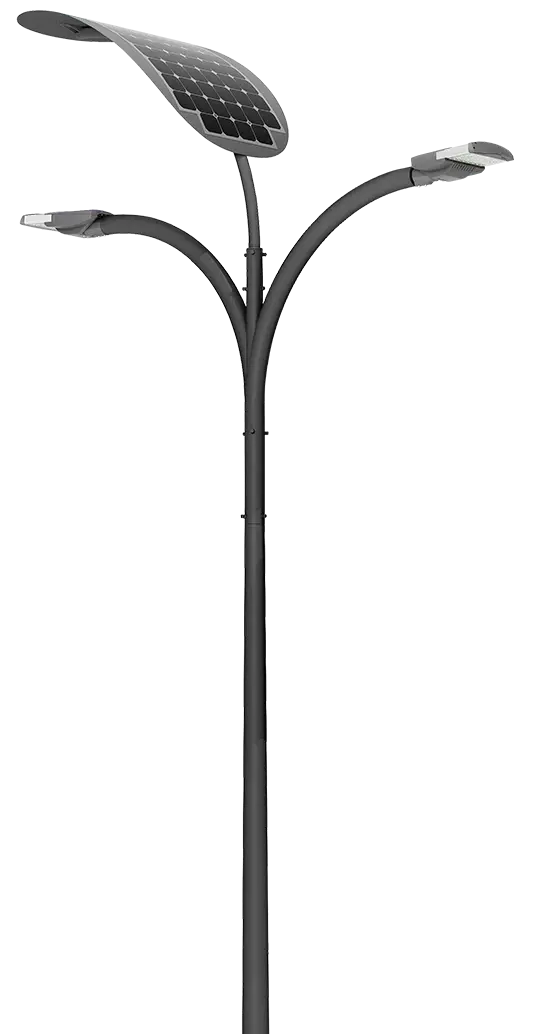
Solar-powered solutions play a huge role in improving public infrastructure and urban sustainability. Innovations like commercial solar street lights reduce energy costs while lowering carbon emissions. These lights are a smart investment, offering economic benefits for cities while supporting environmentally friendly energy practices. Incorporating solar-powered infrastructure contributes to urban sustainability. It aligns with broader goals, such as the impact of renewable energy on economic growth and carbon emissions. These systems reduce dependency on traditional energy sources and create cleaner, safer environments for residents.

Smart city initiatives rely on renewable technologies to optimize urban living. Solar-powered solutions integrate perfectly into smart systems, providing efficient lighting and reliable energy. These innovations improve urban standards through automation and data-driven performance. As more cities adopt renewable solutions, solar-powered systems demonstrate their ability to transform infrastructure. They not only save money but also contribute to a sustainable and progressive future for urban areas.
Solar Power for Parking Lots and Surveillance
Solar power is transforming commercial spaces with energy-efficient solutions. Commercial solar parking lot lights help businesses lower operational costs by reducing energy consumption. These systems also improve safety, providing reliable illumination for drivers and pedestrians, creating a more secure environment for users.

In addition to lighting, solar technology is advancing security measures. Solar powered camera surveillance offers a sustainable way to monitor spaces effectively. These systems are reliable in various weather conditions, offering consistent performance without relying on traditional power sources. The integration of solar technology in parking lots and surveillance adds to both functionality and sustainability. Businesses benefit from long-term savings while contributing to environmental goals. These solutions also reduce dependency on grid power, offering greater flexibility for commercial developments.
Renewable Energy in Agriculture and Rural Development
Renewable energy is transforming agriculture and rural development, bringing economic opportunities and sustainable practices to underserved regions. Solar and wind energy power farming operations, providing reliable electricity for irrigation, crop processing, and storage facilities. These technologies lower operational costs, making farming more efficient and profitable. Off-grid renewable solutions improve living conditions in rural areas. Access to clean energy supports homes, schools, and businesses, creating self-sustaining communities. This progress strengthens local economies and attracts investments that foster growth.
Innovative agricultural technology benefits from renewable energy. Solar-powered irrigation systems and automated machinery boost productivity while reducing environmental impact. Such advancements help farmers increase yields without relying on fossil fuels. The impact of renewable energy on economic growth and carbon emissions highlights its potential in rural areas. It not only supports environmental goals but also empowers communities.
Advancements in Wind and Hydro Energy
Advancements in wind and hydro energy are revolutionizing sustainable power generation. Next-generation wind turbines now deliver higher efficiency and output. These turbines operate with improved designs, capturing more wind energy even in low-speed areas. Their ability to generate consistent power makes them a valuable solution for meeting growing energy demands.
Micro-hydroelectric systems offer a practical energy source for remote communities. These small-scale systems harness water from rivers or streams to generate electricity. They provide reliable power to areas lacking access to larger energy grids, improving rural livelihoods. In addition to their efficiency, both technologies contribute to environmental goals. Wind and hydro systems reduce reliance on fossil fuels, significantly cutting carbon emissions. Their application supports energy independence and offers cost-effective solutions for diverse settings.
The Role of Solar Energy in Sustainable Development: Capacity and Efficiency
Solar energy is a cornerstone of sustainable development, offering scalable and efficient solutions for diverse energy needs. Understanding how much energy solar panels produce depends on factors like sunlight availability, panel quality, and system design. Modern solar panels can power homes, businesses, and even large-scale operations, showcasing their versatility in meeting global demands.

Long-term efficiency is a big consideration. Over time, systems experience performance declines, a phenomenon known as the solar lighting degradation rate. Regular maintenance, such as cleaning panels and inspecting connections, helps slow this process and maintain reliable energy output. Innovations in solar technology are continuously advancing efficiency. New materials and designs are improving energy capture and storage capabilities. These breakthroughs make solar systems more durable and cost-effective, aligning with long-term sustainability goals.
Solar energy’s potential is huge. It supports global energy needs while reducing environmental impact, proving it is a powerful tool for achieving sustainable development.
Case Study: Solar vs. Traditional Lighting Systems – A Comprehensive Comparison
Comparing solar and traditional lighting systems reveals key differences in cost, environmental impact, and long-term efficiency. Solar lighting often requires a higher initial investment. However, it provides substantial savings over time through reduced electricity bills and minimal operational costs. Financial incentives and subsidies further lower the overall solar power street light price, making it an attractive option for municipalities and businesses.
Environmental impact is another important factor. Traditional lighting systems rely on grid electricity, often powered by fossil fuels, which contributes to carbon emissions. In contrast, solar lighting systems utilize renewable energy, helping communities meet sustainability goals and reduce environmental harm. Operational efficiency also highlights the benefits of solar systems. These systems have fewer maintenance requirements and longer lifespans than traditional counterparts. They are also reliable in diverse weather conditions, providing consistent performance year-round.
The community impact of solar lighting is profound. It helps municipalities allocate resources more effectively, reducing budget strain. Solar-powered lighting also improves public spaces by providing reliable and sustainable illumination, increasing safety and usability.
Renewable Energy’s Potential for Global Economic Growth: Opportunities and Success Stories
Renewable energy drives global economic growth, creating opportunities and fostering sustainable progress. Countries like Germany and China have showcased the impact of renewable energy on economic growth and carbon emissions through significant investments. These nations have experienced economic prosperity, reduced emissions, and advanced energy independence through innovative policies and renewable infrastructure.

In developing regions, renewable energy acts as a powerful catalyst. It expands access to electricity, improving healthcare, education, and economic opportunities. This growth empowers underserved communities while contributing to global energy goals. The renewable energy market also influences international trade. Investment trends reveal a steady shift toward clean energy technologies, with projections showing continued growth. This transition fosters economic collaboration, opening new opportunities for businesses and governments worldwide. Global agreements and partnerships do their part in renewable adoption. Sharing technology, knowledge, and best practices accelerates the shift toward sustainable energy. Collaborative efforts strengthen the international commitment to combating climate change.
Challenges and Opportunities in Renewable Energy: Finding the Path Forward
Adopting renewable energy comes with significant challenges and opportunities. High initial costs often deter investment, despite long-term savings. Financing hurdles and inconsistent policy frameworks further slow progress. Regulatory complexities, such as zoning and approval processes, create additional obstacles for renewable energy projects. These barriers highlight the need for targeted reforms to accelerate adoption.
Technological advancements offer solutions to common issues. Energy storage innovations address the intermittency of renewable sources like solar and wind. Improved grid integration offers a steady energy supply, even during peak demand. Government incentives, including subsidies and tax credits, lower costs and encourage broader participation. These advancements make renewable energy more accessible for businesses and communities.
Public-private partnerships and education play vital roles in expanding renewable energy. Collaborations between governments and companies lead to large-scale projects, driving economic growth. Grassroots initiatives promote local engagement, building community support for sustainable practices. Training programs prepare workers for emerging jobs, underscoring the impact of renewable energy on economic growth and carbon emissions. Public awareness campaigns inform people about the benefits of renewable energy, fostering greater acceptance. Together, these efforts demonstrate how challenges can be addressed, creating a clear path for a sustainable future powered by clean energy.
The Intersection of Renewable Energy and Technology
Technology is revolutionizing renewable energy, making it more efficient and accessible. Smart grids play a big role in integrating renewable sources like solar and wind into modern energy systems. These grids use real-time data and automation to manage energy flow, offering consistent supply while minimizing waste. This technology improves reliability and supports the growing demand for clean energy.
Artificial intelligence (AI) is transforming energy management. AI systems optimize energy production and consumption, identifying the best times to generate or use electricity. Predictive maintenance powered by AI helps prevent equipment failures, reducing downtime and saving costs. These advancements boost the overall performance of renewable energy systems, supporting their wider adoption.

The Internet of Things (IoT) connects renewable energy devices for the best energy management. IoT-enabled systems allow users to monitor and control energy use, improving efficiency at every level. This connectivity also encourages smarter energy consumption and greater user engagement. These technologies are shaping the future of renewable energy.
Future Trends in Renewable Energy: The Next Generation of Solutions
The future of renewable energy includes exciting technologies like bioenergy, geothermal, and tidal power. These emerging solutions offer sustainable alternatives to traditional energy sources, unlocking new possibilities for clean energy generation. Innovations in these fields are reshaping the energy sector, providing efficient and reliable power for a variety of applications.
Market trends show rapid growth in renewable energy adoption worldwide. Investments are increasing as governments and businesses recognize the economic potential of clean energy. This shift is altering global economic landscapes, creating jobs, and reducing energy costs. Renewable energy also plays a role in achieving sustainability goals, supporting a greener and more resilient future. As these trends continue, renewable energy is expected to dominate the energy market, driving significant advancements in technology and environmental impact.
Embracing Renewable Energy for a Sustainable and Prosperous Future
The impact of renewable energy on economic growth and carbon emissions is undeniable. Advanced technologies, such as sustainable street lighting, highlight its potential to transform daily life. Individuals, businesses, and governments must work together to take its benefits. Collective action today builds a sustainable and growing world for generations to come.
Applications
Recent Posts

March 8, 2025
The environmental impact of going solar…
February 28, 2025
Solar Energy in Schools in California
February 25, 2025
How companies can utilize solar electricity…
February 19, 2025
2025 Solar Power Goals: Trends to…